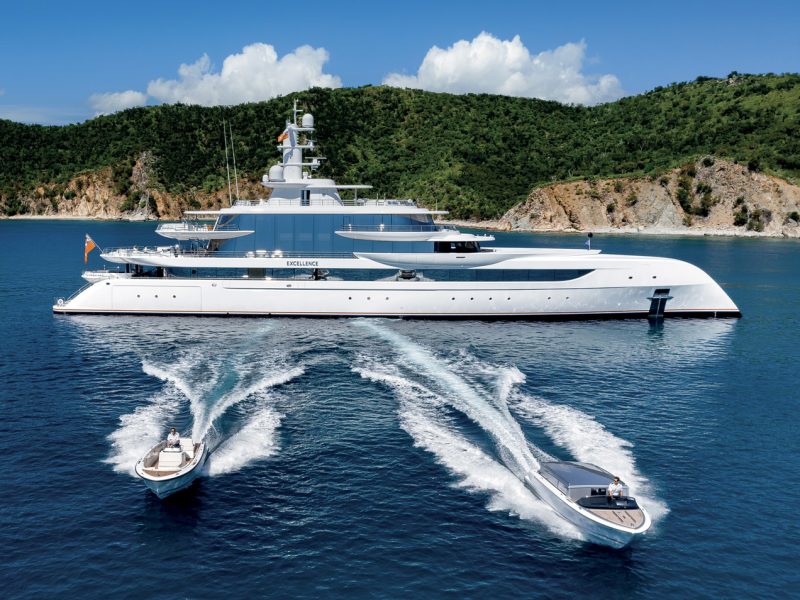
The superyacht industry, valued at 54 billion euros, acts as a significant economic force. Recent research by Deloitte and the Vrije Universiteit Amsterdam reveals that it underpins manufacturing, tourism, innovation, and skilled jobs globally
by Marco Negri
A groundbreaking international study has, for the first time, quantified the total economic influence of the global superyacht industry. It reveals an ecosystem valued at €54 billion
that goes well beyond luxury tourism, including advanced manufacturing, high-skill jobs, and contributions to coastal economies worldwide. Published when the global superyacht fleet exceeds 6,100 vessels, the study, carried out by Deloitte and the Vrije Universiteit Amsterdam, shows how the industry has become a major economic driver, supporting complex supply chains – from tourism infrastructure in the Mediterranean to engineering, shipbuilding, and maritime innovation in Europe.

// «What emerges from this study is a deeply interconnected global economy that underpins manufacturing, tourism, engineering, the hospitality sector, and Thousands
of highly skilled jobs».
Dilan Saraç //
Funded by The Superyacht Life Foundation (SYL) and the Superyacht Builders Association (SYBAss), this report is among the most detailed economic analyses of the sector, focusing solely on vessels over 30 meters. The study reveals that, during the reference period (2022), the industry generated direct turnover of 22 billion euros, triggering an additional indirect impact of 32 billion euros through international supply chains, tourism expenditure and professional services.
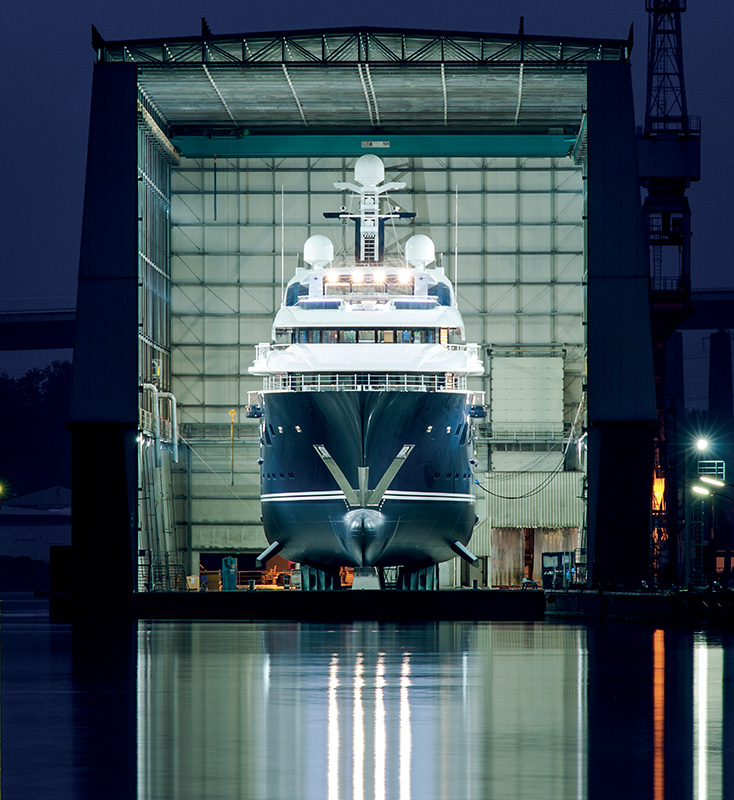
Overall, the findings highlight an industry proficient in combining advanced manufacturing with premium services, producing lasting economic benefits that go beyond the yacht leaving the shipyard. While construction and refit foster innovation and skilled jobs, charter operations, management, and tourism offer ongoing advantages to coastal communities globally.
The report highlights the sector’s significant economic contribution, quantifying an average annual impact of €9 million per superyacht. Fleet management and tourism are the sector’s primary economic drivers, contributing €27.1 billion annually – almost half of the industry’s overall economic impact.

Spending by active yachts supports restaurants, hotels, marinas, transport and local businesses in the main yachting destinations; in particular, superyachts over 60 metres in length generate approximately 5.5 times more spending than smaller vessels. The Mediterranean remains the world’s leading hub for superyachts, recording €4.7 billion in operational expenditure and €1.9 billion in tourism expenditure each year, underscoring the strategic importance of the port infrastructure, refit yards and premium tourism services in the region.
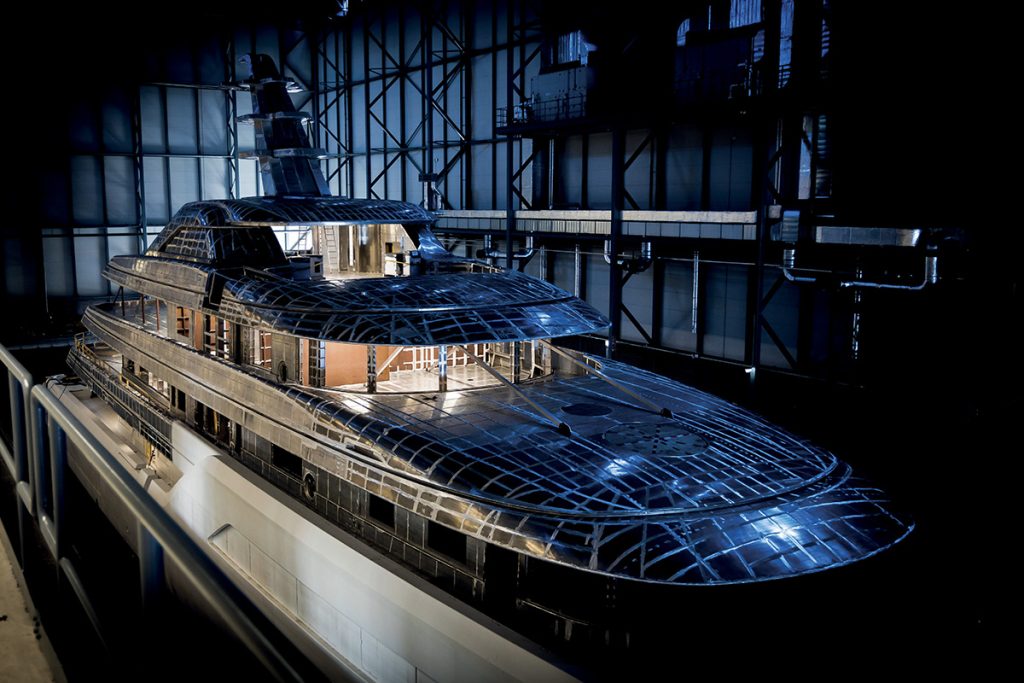
Key figures from the report
Total global economic impact: €54 billion
- Direct turnover of the sector: €22 billion
- Indirect impact (ripple effect): €32 billion
- Economic multiplier: €2.40 generated for every €1 spent
- Size of the global fleet: more than 6,100 superyachts over 30 meters
- Charter market share: over a third of the global fleet is available for charter
- Average annual contribution per vessel: €9 million
- Fleet operations and tourism-related activities: account for 50% of the sector’s total impact
- European leadership: Europe accounts for 90% of the global value of the new-build market.
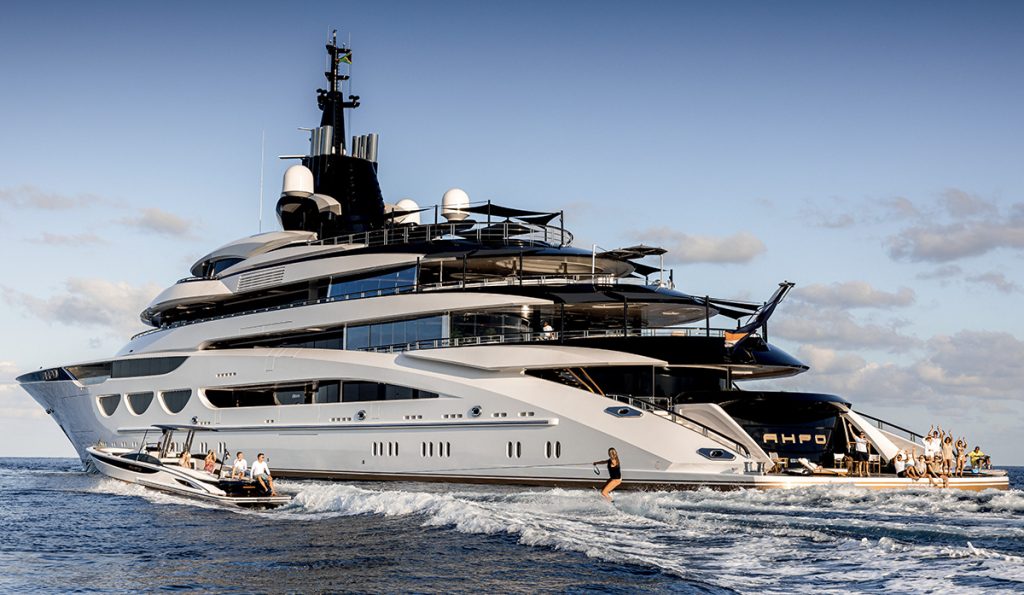
MY AHPO ©Guillaume Plisson.
Researchers describe this report as a landmark study, providing the clearest and most precise overview to date of the modern superyacht economy and its expanding impact on manufacturing, tourism, and maritime infrastructure.
The Superyacht Life Foundation
The Superyacht Life Foundation is a non-profit organisation without commercial interests that seeks to enhance understanding of the global superyacht industry and its broader societal impact. Collaborating with 20 partners across various sectors, the Foundation offers an impartial platform focused on educating, informing, and engaging the public about the people, skills, innovation, and destinations associated with superyachts. Through research, storytelling, and industry partnerships, its goal is to increase awareness of the sector, promoting its long-term success and sustainability.
The report “The Economic Impact of the Superyacht Industry” was commissioned by The Superyacht Life Foundation (SYL) and the Superyacht Builders Association (SYBAss). Deloitte and the Department of Spatial Economics at Vrije Universiteit Amsterdam carried out the research.

Founded in 2007, SYBAss represents the world’s leading superyacht builders and works to shape the future of the sector through collaboration, shared intelligence and the continuous raising of industry standards, redefining excellence, accelerating environmental innovation, preserving high-end craftsmanship and promoting responsible and sustainable management of the oceans.
Europe retains its dominant role in superyacht construction, accounting for around 90 per cent of the global value of the new-build market. Italy, the Netherlands and Germany lead the sector, together accounting for almost 80 per cent of total production. The new-build segment alone generates an economic impact of around 20 billion euros and supports a vast network of naval architects, engineers, craftsmen and technology suppliers. The report also highlights the growing importance of refit and refurbishment work, driven by ageing fleets and evolving environmental regulations.
(The superyacht Industry – The economic impact – Barchemagazine.com – Excerpted from Barche, October 2026)