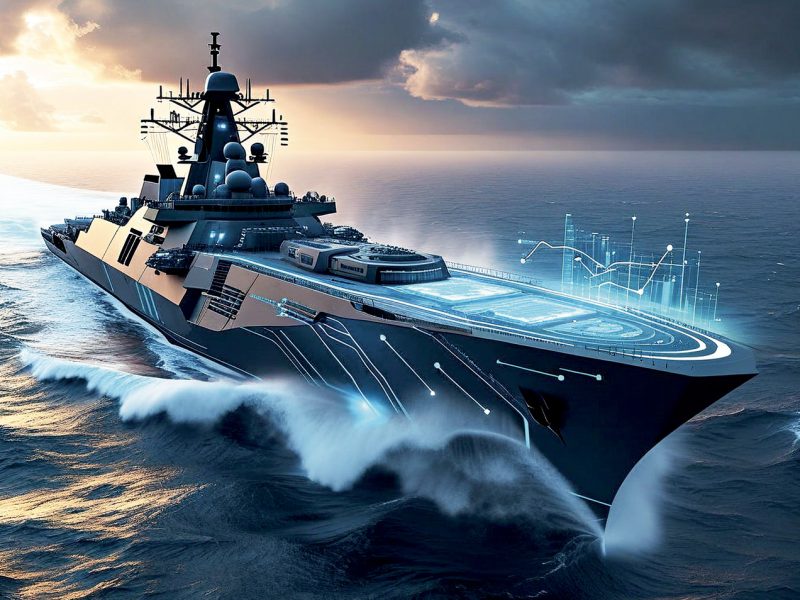
Is the Artificial Intelligence found onboard a real thing? Or is it just a well-packaged label?
by Barbara Morassut*
As we noted at the end of the previous issue, the first step amid the technological revolution transforming the boating industry is to discern whether what is marketed as ‘smart’ truly is, or if it is merely a well-packaged label.
It is time to explore this further, because the distinction is not merely a semantic one; it affects what we are actually buying, how reliable we can consider a system to be, and how vigilant we need to remain whilst using it. Let’s begin with a simple explanation of a basic technical idea. A true Artificial Intelligence (AI) system learns from data and adjusts its behaviour over time based on its experience. For instance, an autopilot that gradually learns the captain’s navigation style and modifies its course corrections accordingly, or a system that improves its weather forecasts by comparing its past predictions with actual outcomes.

In contrast, advanced automation follows pre-set rules, regardless of their complexity or quality. It responds to specific thresholds and conditions but does not learn or adapt on its own. Both types of solutions are very useful on ships. The issue is when the latter is marketed as if it were the former. Why does this happen? The term ‘Artificial Intelligence’ sells well; it suggests innovation, justifies a higher price, and makes a product stand out. Sometimes it’s not intentional deception, but rather a casual extension of marketing language. For buyers, however, this difference is significant.
A genuine adaptive system can enhance its performance over time and handle new, unseen situations, while advanced automation, no matter how reliable, remains limited to its programmed scenarios and may behave unpredictably outside those parameters. Therefore, before purchasing or refitting a boat, it is essential not to take anything for granted and to ask the shipyard or supplier clear questions, such as: does the on-board system learn from the data collected whilst sailing, or does it always apply the same rules regardless of how the boat is used?
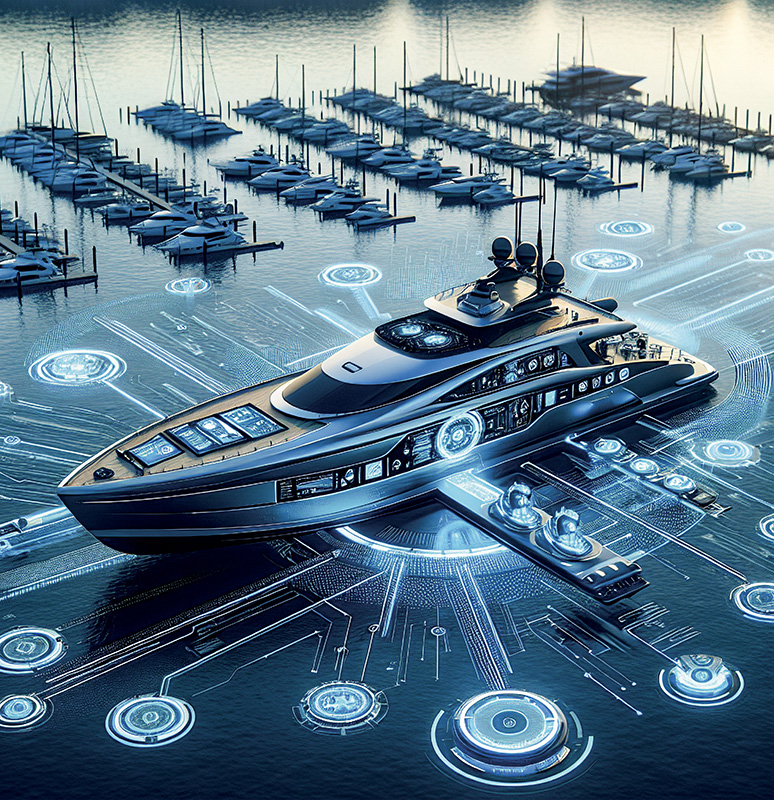
// Marketing language promotes innovation, but asking
A FEW SPECIFIC QUESTIONS to the shipyard or supplier uncovers
the real nature of an onboard system. //
Has its performance been validated using real-world sailing data, and with what measurable results? What happens when the system encounters a situation it has never dealt with before: does it freeze, require the captain’s intervention, or continue to operate autonomously? Who has access to the data collected on board, how long is it stored, and what security safeguards are in place? For each automated function, is there a simple and immediate way to resume manual control?
The answers to these questions, rather than the glossy technical specifications or the label on the packaging, reveal the truth about what you’re taking on board. And this isn’t an exercise in mistrust of technology – far from it – it’s the same critical scrutiny that a good captain has always applied to any new instrument before placing trust in it on the open sea. Ultimately, the message underpinning this journey remains the same: innovation in the boating world is a valuable asset, but it must be understood to be truly useful. Understanding the difference between genuine intelligence and automation dressed up as something else is the first practical step towards remaining in the captain’s chair of your own boat, even in the age of Artificial Intelligence.

Barbara Morassut
T. +39 051 4076026 – [email protected]
*Barbara Morassut, Solicitor, is the founder of Morassut Law Firm, which has maintained its main office in Bologna since 1996. Over the years, she has built a well-established network of correspondents across numerous Italian cities and abroad. In 2009, she opened an office in Rome following a collaboration with legal professionals from the Roman Court. In September 2021, following the completion of a Master’s degree in ‘Arbitration and Dispute Management Techniques’, Morassut was appointed as an arbitrator. The firm offers highly specialised advisory and legal services in both out-of-court and court proceedings, operating in the fields of civil law, commercial and corporate law, and, in particular, maritime and yachting law. Key areas of practice include advice and assistance with the drafting and review of yacht construction and sales contracts, central agency agreements, and yacht management contracts. The firm also handles litigation in maritime and contractual matters.
(Real AI or just a buzzword? – Barchemagazine.com – Excerpted from Barche, October 2026)