Andrea Pezzini and Barbara Tambani are the heart and soul, and also the brainpower, behind Floating Life, a company that specialises in managing mega yachts using an intelligent and innovative formula
by Niccolò Volpati
The bodywork of one of the first models of car sharing vehicles found in cities across the world bears the inscription ‘Proud to share’. And nowadays people are sharing houses, holidays, bicycles, offices and modes of transport.
Everything is now being shared, and more frequently. This is the sharing economy, a trend that shows no sign of abating. And in any case, why should it? Sharing is beneficial and intelligent. It reduces waste and means you only have objects when they’re needed.
K43
When you don’t need them, someone else uses them instead. It goes without saying that this widespread trend, which has developed rapidly in just a few years, also exists in the world of boating: indeed, ‘boat sharing’ has been around for some time.
To understand how it works and what benefits it entails, we talked to two pioneers in this movement: Andrea Pezzini and his wife Barbara Tambani, the cofounders of Floating Life. «2018 is our company’s sixteenth year in business – Andrea Pezzini told us – and our experience has seen us develop two types of contract».
Floating Life organises fractional ownership of megayachts, superyachts and gigayachts. The two types of contract differ in terms of the boat’s ownership. In one case the boat is owned by Floating Life, while in the other it is owned directly by the clients using the yacht. The service on offer, meanwhile, always at the highest level, remains the same.
K43
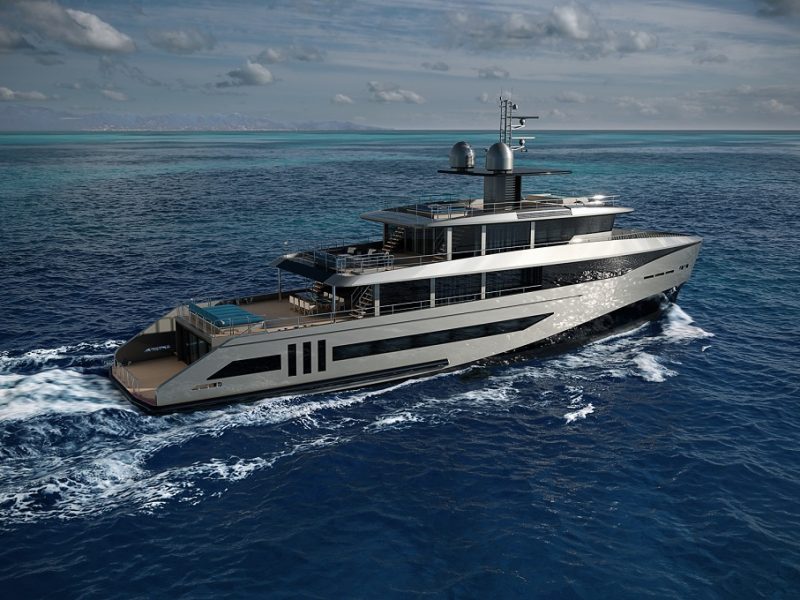
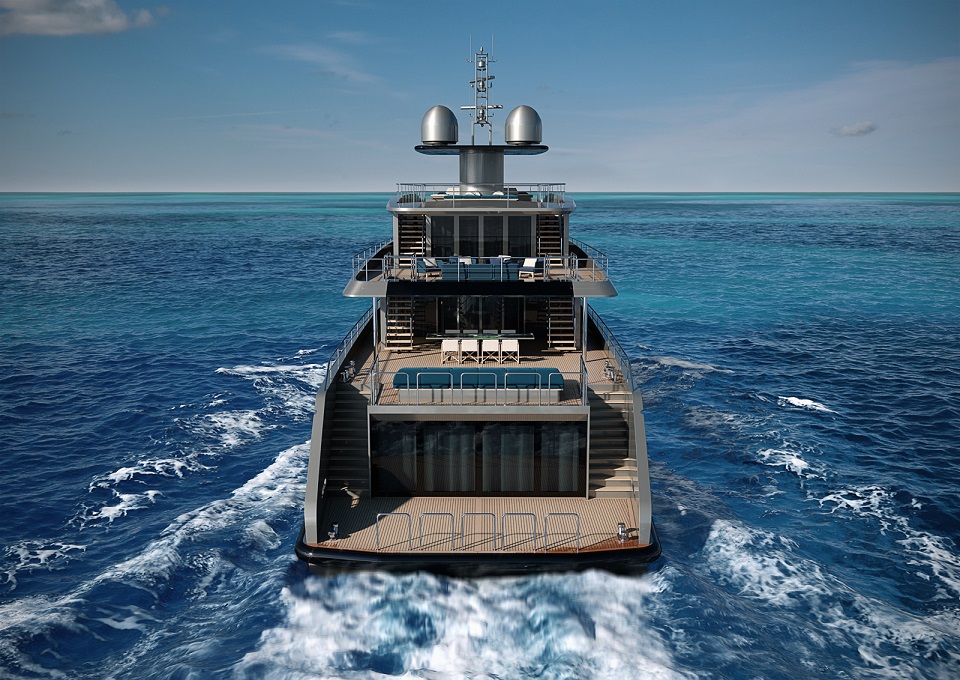
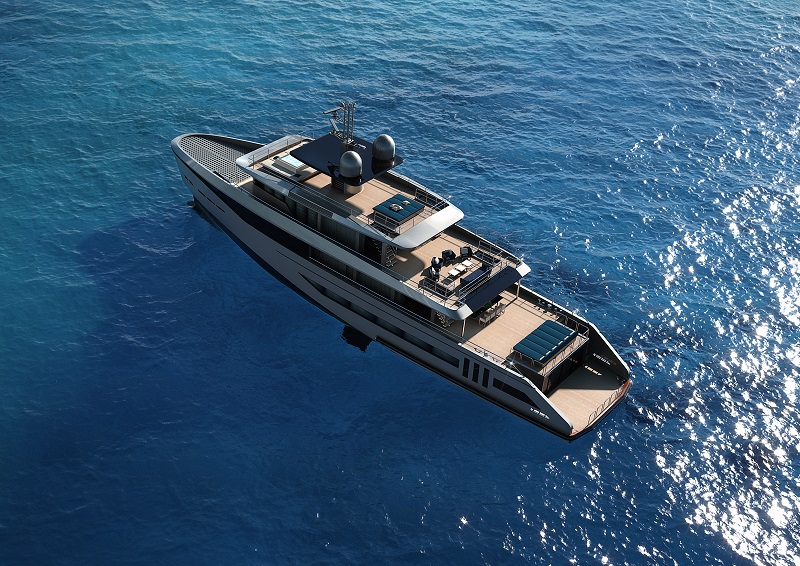
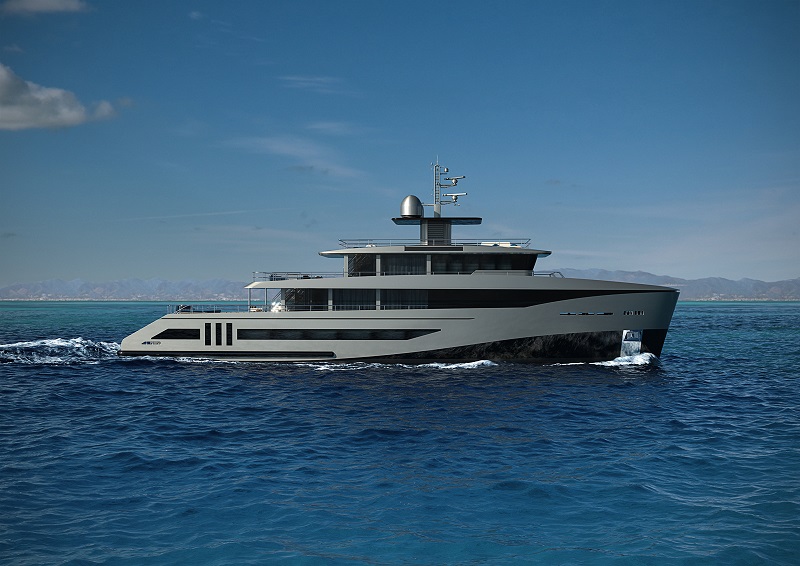
So how does it work? A megayacht forty or more metres long is built, a certain number of clients, let’s say eight, who want to share the boat are found, and together they sign a contract. The boat’s usage period lasts for eight months of the year, which equates to four weeks each.
The weeks are divided into low, medium and high season, so that all clients get to use the megayacht in ‘equal parts’. At the start of the year it is decided where the boat will sail, and a sort of schedule is drawn up: Mediterranean, Caribbean or Pacific.
The eight clients/owners may not know each other, and may never meet. Often they come from far-flung parts of the world: China, India, North America and Europe. Each one gets the right to their period of use, and can invite their own guests on board.
When Floating Life owns the yacht, it signs a multi-year rental agreement with the eight clients. For the second type of contract, the company sells the eight clients/owners a certain proportion of the boat and limits its work to managing it and providing services.
What does managing a boat mean? «Taking care of everything», Andrea Pezzini explained. And when he says everything, he means everything. Administration, accounting, technical support, safety, certificates, red tape, documents and above all, recruiting staff.
As well as the sixteen staff members employed directly by Floating Life to run the sixteen charter boats the company manages, there are also around 250 captains and crew members recruited and trained by the company.
It even has a department dedicated to staff uniforms, which goes beyond simply purchasing clothing and applying logos, as you might imagine – the uniforms are made of Italian fabric, and produced in a workshop based in Italy. «It’s the little things that make the difference», Barbara Tambani explained.
K 43
«It was we who invented customisation. It means that every client has the boat as they want it while they are using it». The on-board chef may change, for example, but most importantly the galley staff know the tastes of the client currently on board.
Customisation also means fitting out the yacht in a different way from one month to the next. The photos in frames on the tables or hung on the walls even change depending on which owner is using the shared-ownership boat at that particular moment.
Floating Life takes care of all of this, as well as everything clients need during their cruise. Managing restaurants, car hire and private clubs is not the responsibility of the captain or the crew, but rather the company’s employees.
And another huge benefit is the technical support on offer. There is no risk of a fault causing a loss of precious sailing time during a cruise. «Whatever the captain asks us for, we can get it on board the following day», Andrea Pezzini confirmed.
This is possible in part thanks to a network of shipyards and support centres across the world, and the result of experience built up over many years. Andrea Pezzini and Barbara Tambani were the first to realise that fractional ownership and sharing could also benefit the world of luxury sailing, but most importantly they have accrued experience of all areas of the sector.
«I learned to design hulls at the age of seventeen. I was taught by the father of my girlfriend at the time – Pezzini recalled – because he wanted to avoid me spending too much time with his daughter, and over the course of two years he made me design everything».
Later he navigated on oil tankers, supervised the construction of a 103-metre-long megayacht and, in the early 1980s, joined Picchiotti Smallcraft. After Picchiotti he became manager of the Tecnomarine shipyard, taking production from three to twenty-five boats per year.
The finances at Tecnomarine also turned around under his management, going from losses of 27 billion lire to 48 billion lire in profits. In the 1990s he worked at the Amico shipyard with Luigi and his son Alberto.
There he learnt the art of refitting, in part thanks to shipwrights like Roberto Bozzo. In the late 1990s, working for Fraser Yachts, he learnt what it takes to manage a boat. And, most importantly of all, he met Barbara Tambani, who worked for Fraser and, despite her young age, was responsible for the largest and most important boats. «I asked her to join Floating Life due to her extraordinary professionalism, not because I was in love with her», Andrea Pezzini said.
They found their first nine clients for their management services in just seven months. Looking to the future, the next generation is already lined up, in the form of their children Manuel, age 26, a broker, and Alberto, age 21, who is studying nautical engineering and is already the daily surveyor for a 40-metre yacht.
(FLOATING LIFE sharing luxury – Barchemagazine.com Marzo 2018)