One of the most important criteria for determining the greatness of an artist is his ability to influence future generations
by Giovanni Gasparini*
The summer exhibition that Monte Carlo has dedicated to Turner, in dialogue with various contemporary artists, helps us to understand this concept through the works of other great artists who are closer to us, such as Mark Rothko or James Turrell, masters in exploring the relationship between colour and deep emotions, or Richard Long and Olafur Eliasson, whose research into the relationship between nature and man makes us reflect on our responsibility in the current environmental disaster.
For his part, the British landscape painter and forerunner of Impressionism had the opportunity to “stand on the shoulders of giants” in 1802 when he studied classical Italian, French and Flemish painting at the Louvre, the first museum in the world to be opened to the public. We owe the possibility of enjoying art at little or no cost to the French Revolution and the Napoleonic museums, including the Pinacoteca di Brera in Milan, and it is good that it should remain so. However, we should remember that the purpose of visiting a museum is not to take a selfie and post it on our social channels. So why should we buy art when we have so much of it? Because there are several levels of enjoyment when it comes to a work of art. You always start with the most instinctive and immediate, the more than legitimate “I like it”: but art is a complex language that requires education and dedication. I love the sound of the Finnish language, but that doesn’t mean I think I can understand it without having studied it. And there is a difference between talking about the weather and reading the Kalevala, the Finnish equivalent of the Divine Comedy.
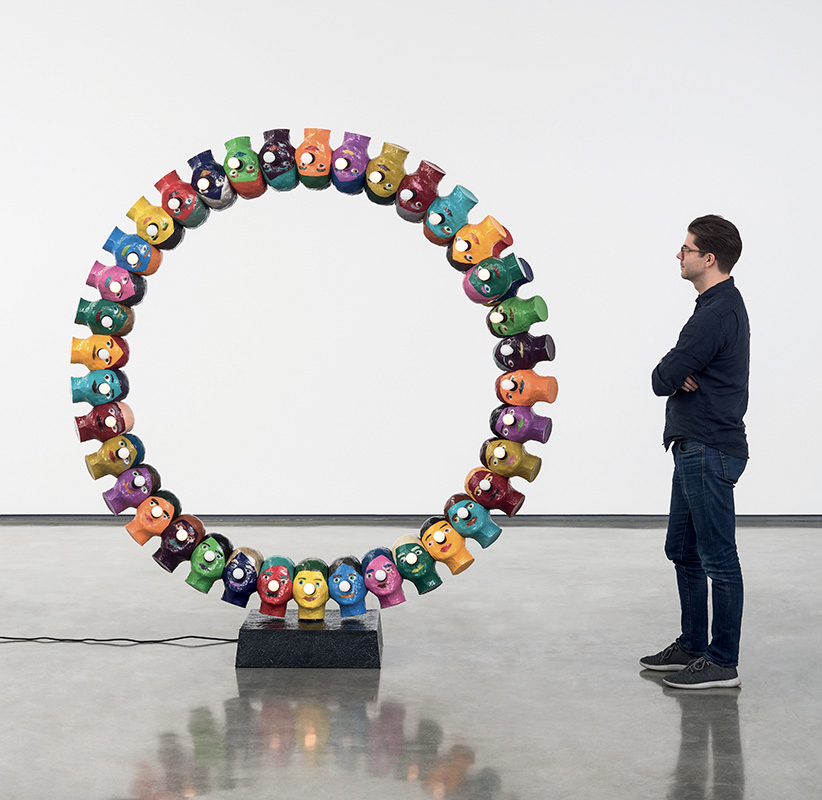
Artists like the impressionist Gallen-Kallela help us navigate these uncharted waters with the immediacy and power of their images. Owning a work of art helps you get to know it and understand it, but it’s not essential. It becomes necessary, however, if you want to make its message your own and communicate it to others. The books and works of art we have in our home (or on our boat…) reflect who we are, they convey our personality and make us interesting to ourselves and to others. Thanks to them, we become part of a club. And then, if you love something, you want to own it, because human nature, and even more so the nature of one of its subspecies, the collector, is essentially fetishistic, and all in all that is a good thing!
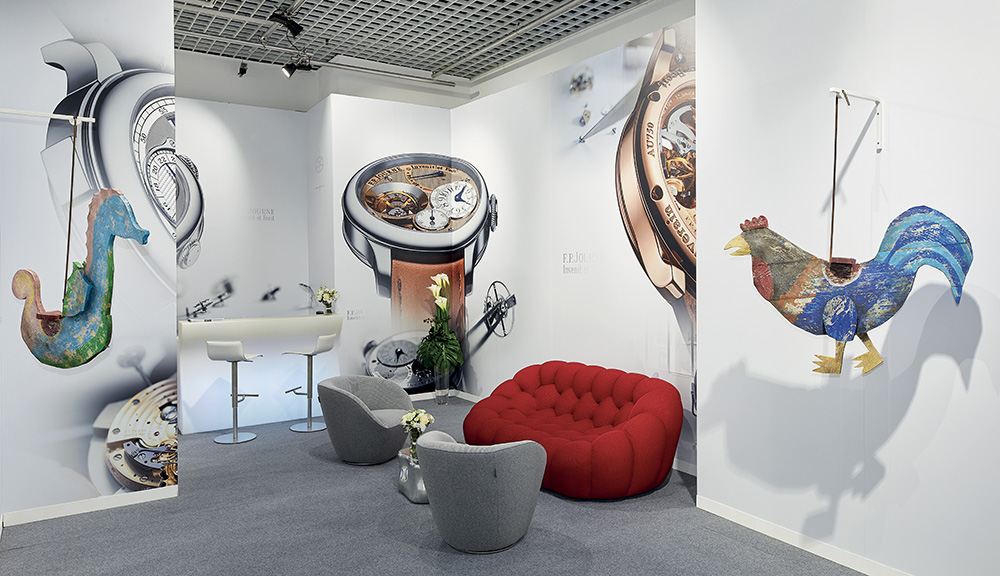
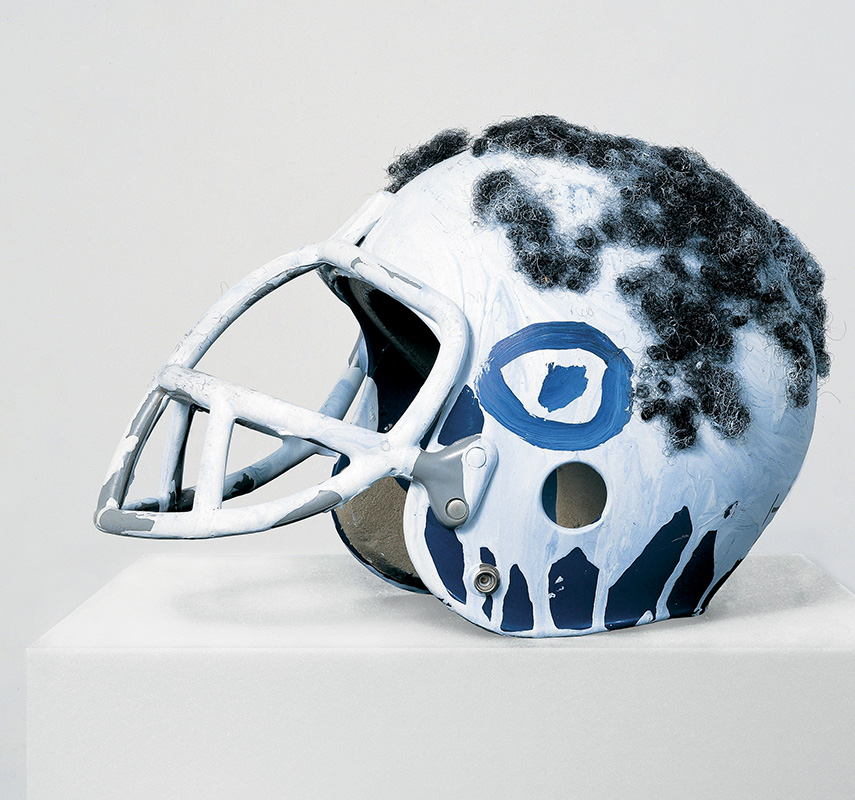
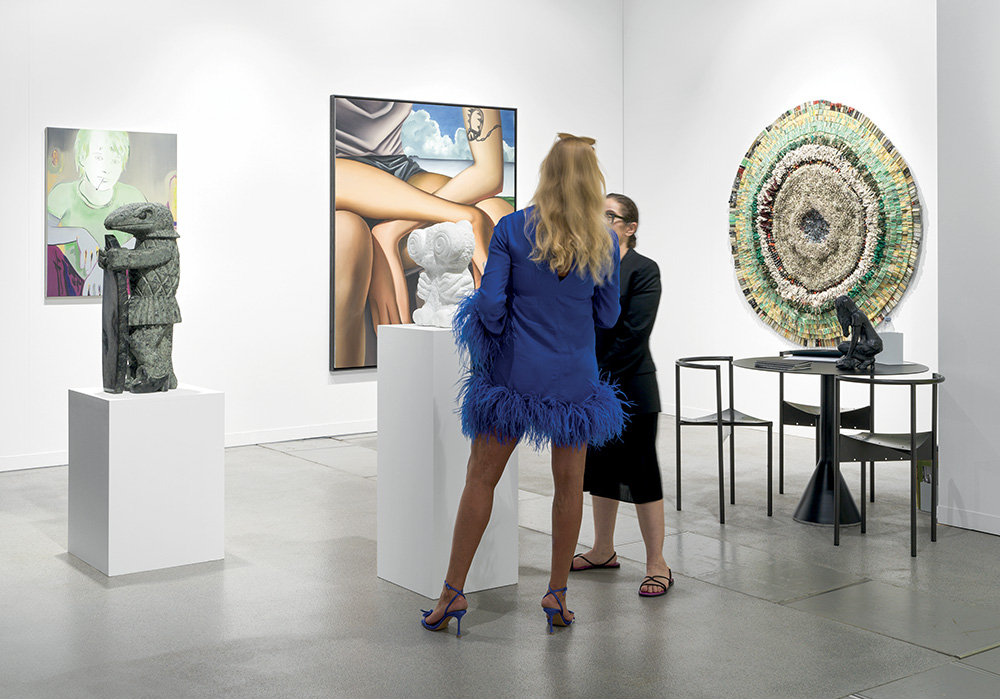
IN JUST 20 YEARS, THE CONTEMPORARY ART MARKET HAS GROWN FROM A TOTAL VALUE OF AROUND $100 MILLION TO OVER $2 BILLION TODAY.
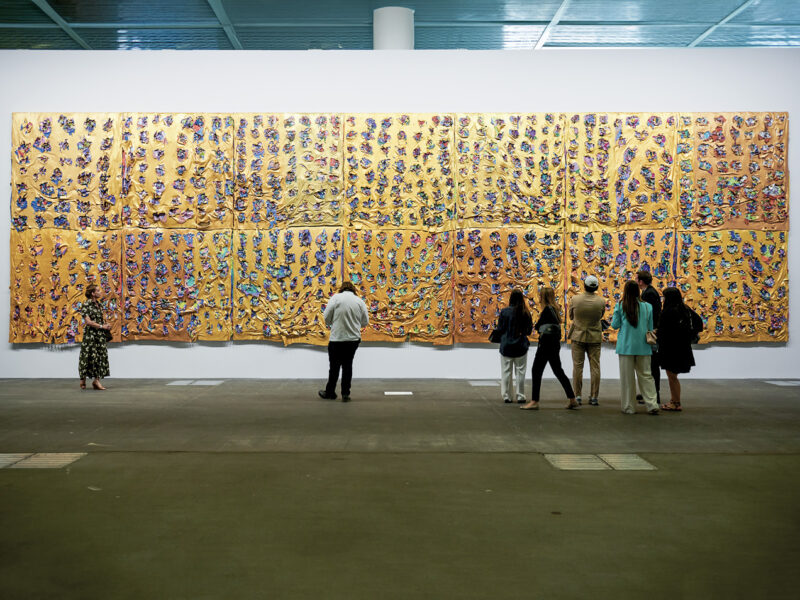
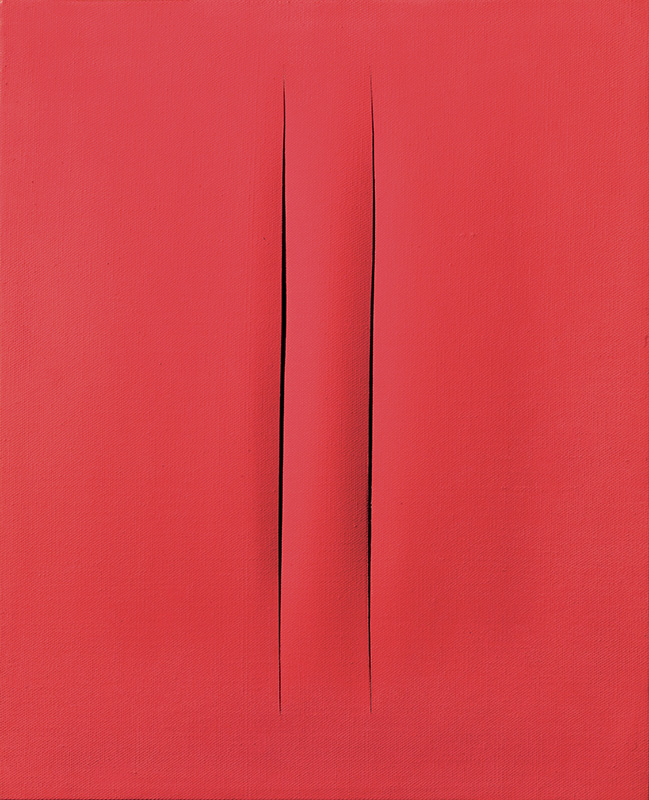
It is no coincidence that the Turner exhibition was preceded by another art event, the ArtMonte-Carlo fair, just a few weeks after the well-known and intense ArtBasel, the world’s most important fair for 20th-century and contemporary art. Uncertainties in the economic and political scenario have led the most important galleries to propose well-known million-dollar names such as Picasso, Lucio Fontana, Basquiat, Calder, while contemporary galleries have gone a little further, exhibiting works by lesser-known artists, including many from Africa, such as the Kenyan photographer Thandiwe Muriu or Moffat Takadiwa, who transforms waste into works of art, giving work to poor people in Zimbabwe and making us think about much broader issues.
Investments in art offer high returns over time. According to William Goetzmann, from 1900 to 1980, investments in art offered average annual dollar returns of more than 17%, while according to David Kusin, from 1988 to 1998, the works of American painters returned an average of 14% per year in dollars.
The transformative and regenerative power of art also prevails in the delicate and touching works of visual poetry by Greta Schold and the large installation by Japanese artist Chiharu Shiota thanks to whom thousands of trivial sheets of paper take flight in a liberating gesture. Rightfully, both have received acknowledgements at the Venice Biennale, the former at the current edition, and the latter won the 2015 edition with a memorable national pavilion.
Among economists who study the sector, some have estimated that works of art provide an annual return of 0.55% above the normal rate of inflation. Others report annual returns as high as 15% above the real rate.
The change of context forces a reflection on the market, the other side of the coin in the art world. The art system works well when there is a healthy interaction between the intellectual and commercial components of this small world, which is necessarily elitist for educational and financial reasons. Unfortunately, the evolution of the market in favour of “pump and dump” speculation and the development of instruments derived from it, such as guarantees on million-dollar lots at auction, have caused major distortions, especially in the last five years. The system is now close to breaking point, as it is impossible to maintain the illusion of an infinite increase in prices. Separating the work of art from its message is the typical mistake of those who approach art as a vehicle for their investments. They inevitably end up regretting their choice, because the future buyers of this art are very interested in its meaning.
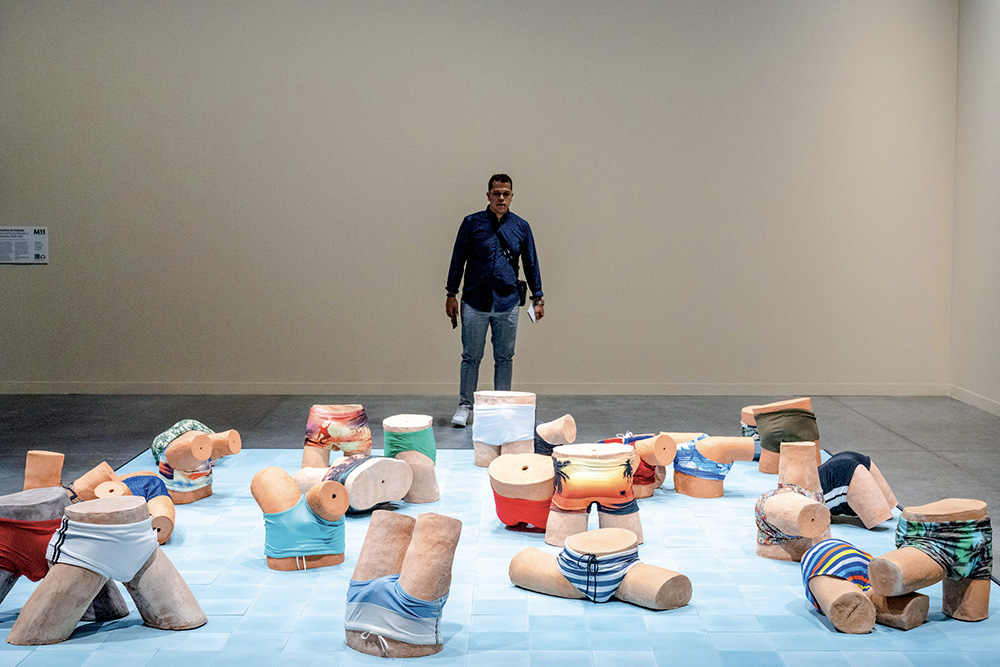
A contemporary painting or sculpture may involve risk, but also the possibility of higher profits if the artist gains fame and influence over time, leading to a revaluation of their art.
But this setback should not be a cause for concern, especially as it does not affect the sector as a whole: those who participate in the market with a long-term perspective are not affected by the effects of this volatility. On the contrary, serious buyers, once known as “collectors”, will find plenty of pieces to quench their thirst at reasonable prices. For the benefit of everyone, except a few speculators who become multimillionaires, auction houses owned by billionaires or supposed billionaires, more or less trendy gallery owners, or artist-decorators without a message who are famous for being famous. Art and its market have survived without them for decades and will continue to do so for many years to come. Without turning into digital kittens. x
(Collecting – What is the purpose of art? – Barchemagazine.com – October 2024)