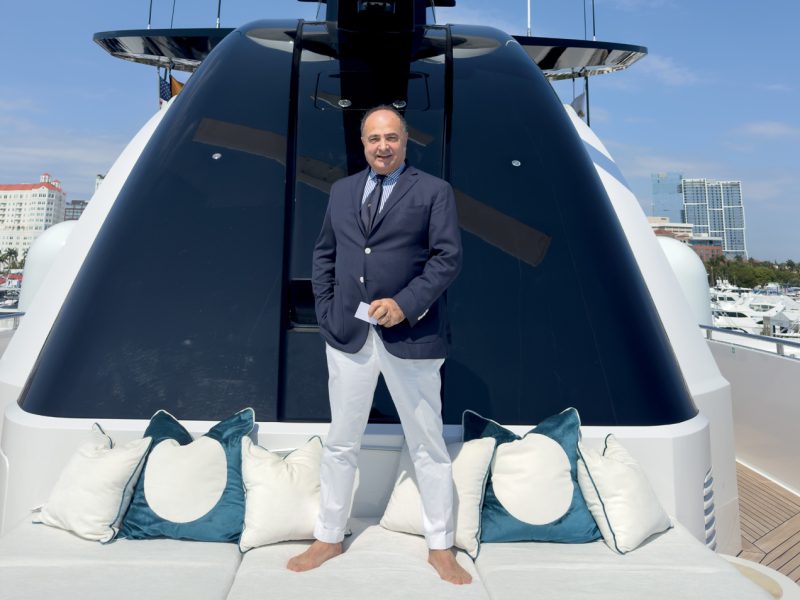
Resignation isn’t an option. We need to implement tangible plans rooted in bold ideas, as the future – especially for the marine industry – is in our hands, not in some abstract entity
by Francesco Michienzi
Each October, the editorial highlights a key moment when the sea beckons us again, and our industry reactivates.
However, leafing through old texts reveals an uncomfortable and undeniable reality: many issues resurface unchanged. Fifteen years ago, Professor Giovanni Zuccon reminded us of a truth that rings out with even greater urgency today: technology alone is not enough, nor is design alone, nor is it enough simply to know history or to interpret the market’s key terms if, first and foremost, we do not place people at the centre. By people we mean not only the shipowner, but a whole range of figures – architects, engineers, craftsmen, workers, entrepreneurs, politicians and journalists – who, through their behaviour and passions, forge relationships. Zuccon also highlighted the importance of certain often-overlooked terms that reflect our civilisation: ethics, respect, helpfulness, and intellectual and material honesty. These words should not be mere rhetorical devices but should be embodied in daily actions, shared norms, and sector-specific cultures. This reflection is not driven by nostalgia but as a warning.
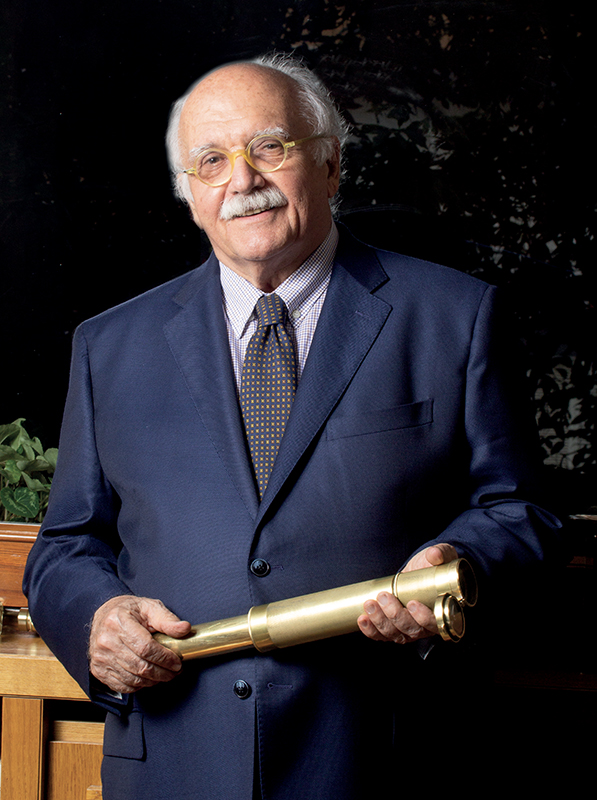
// «There are WORDS that are all too often forgotten. These words measure our level of CIVILISATION and humanity, guiding our behaviour toward safe paths that lead to our goals: ethics, respect, helpfulness, and both intellectual and material honesty».
Professor and Architect
Giovanni Zuccon //
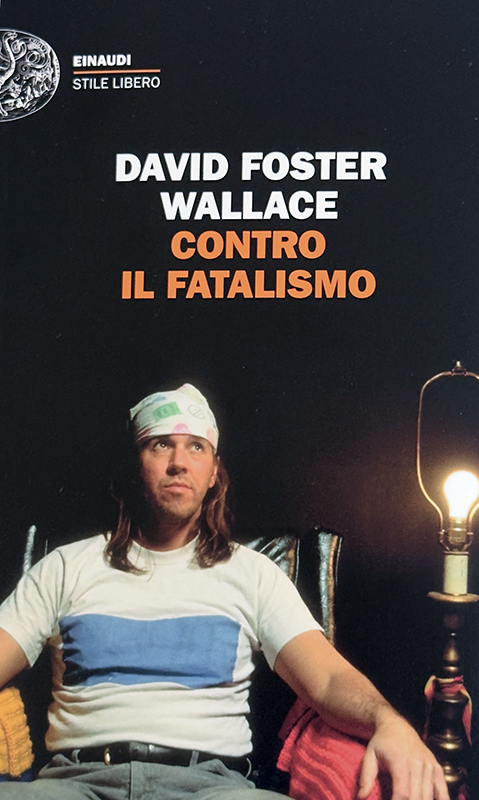
Have we perhaps become fatalists? I looked to David Foster Wallace’s Against Fatalism for insight—a book where the essayist aims to dismantle Richard Taylor’s thesis of fatalism. Taylor claims that the future is something over which we have no control, a chain of events that renders any deliberation pointless. This idea is both tempting and risky, especially in the boating industry: it involves accepting market trends, service standards, and unfair practices as unchangeable realities.
Data circulated over the years shows a highly fragmented sector: the over-24-metre segment is thriving, the 12–24-metre range faces difficulties, while boats under 10 metres struggle to progress or are at a standstill. If these statistics are accurate – and it’s important to highlight this – they deserve closer examination, prompting questions about the reasons behind them. Why such a vast disparity? Why do supply and services fall short for those who are no longer part of the old middle class? Why does Italy, renowned for excellence and innovation, find it difficult to sustain a manufacturing base that supports all recreational boating sectors? We cannot and must not resign ourselves to this. Resignation is an accomplice to decline.
// A FATALIST is someone who believes they cannot do anything about their future. They believe that WHAT WILL HAPPEN next year, tomorrow, or even in a moment’s time is beyond their control. Consequently, it is assumed that there is no point in their deliberating on anything. //
Relying solely on politics – which is in a perpetual state of election campaigning – often results in a lot of talk and few concrete results, or in solutions that do not fully resolve the underlying problems. Not to mention artificial intelligence, which we now rely on without any critical thinking whatsoever, in the hope of obtaining ready-made solutions. The real way forward – the practical and combative one – lies in the ports and shipyards: in direct dialogue with shipowners, in keeping a close eye on port operations, in responding to protest emails, and in hearing stories of maintenance work that was never carried out but was nonetheless invoiced at exorbitant prices.
We need the courage to dismantle tired clichés, such as the claim that anyone who owns a boat is rich and therefore can be fleeced. Proposing alternatives to cultural degenerations such as this is not merely a rhetorical exercise: it is an act of responsibility. Concrete, urgent, and emotionally essential actions are necessary. This includes sector-specific research, such as funding independent studies into market segments, actual demand, and barriers to accessing and enjoying the sea. Reliable data is crucial for effective decision-making.
// It would be useful to carry out a more in-depth ANALYSIS of why certain key segments of the Italian boating industry have been struggling for some time. Would it not be wise to invest resources in analysing market SCENARIOS and future developments more thoroughly? //
We must re-centre the user by listening to shipowners and recreational boaters, understanding their needs and concerns, and translating these into tangible projects. Additionally, standardising and monitoring port services is vital. Transparent price lists, clear rules for maintenance and supplies, and strong penalties for predatory practices are also needed. A port code of ethics is more than just an ideal; it’s a vital necessity. Equally critical are proper training and a robust professional ethos, since trust relies on expertise, suitable incentives, policies that make boating accessible to more people, support for small and medium-sized innovative businesses, and encouragement for shared services and efficient infrastructure.
It’s also crucial to promote initiatives that connect the city with the sea, educate people to respect the environment and others’ property, and restore the social and economic value of boating. These aren’t simple slogans; they are pathways that demand determination, collective effort, and a cultural shift. We must genuinely start using words like ‘ethics’ and ‘respect’ not just as slogans but as standards to assess our daily actions in design, sales, maintenance, and politics. Let’s stop telling ourselves that change is impossible.

Fatalism is a convenient excuse for avoiding effort, but the sailing world is made up of people who know how to face the wind and harness its power. Let’s take the helm again. Let’s listen, conduct thorough analyses, uphold standards, and nurture a culture of the sea and of honesty. Only in this way can the season that is about to begin become a true new beginning – not just for large yachts, but for anyone who still wishes to see the sea as an opportunity, not a curse.
(Challenging fatalism – Excerpted from Barche, October 2026)