Collecting – Between a passion and an investment

The ambitious aim of this column is to present, from time to time, something new or unusual in the various fields of collecting and to follow the most important events in the respective markets, especially fairs, auctions and social and cultural events

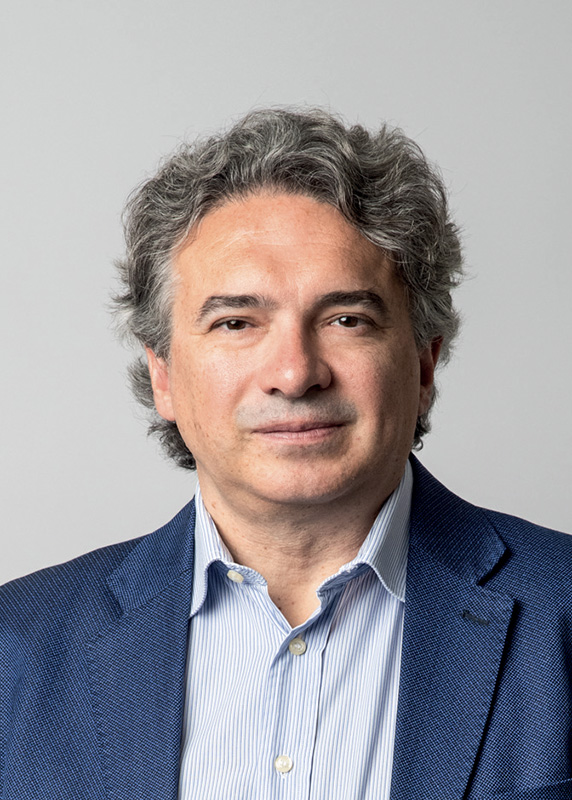
by Giovanni Gasparini*

What do a hole-punched canvas from Lucio Fontana’s Spatial Concept, The End of God series, a Ferrari 250 GTO, Paul Newman’s Daytona Rolex, a rhinoceros-shaped secretaire by François-Xavier Lalanne and the 57-metre Fleurtje three-mast schooner from the De Vries Lentsch shipyard have in common? Little or nothing, apart from their multi-million-dollar value, which is difficult to estimate.

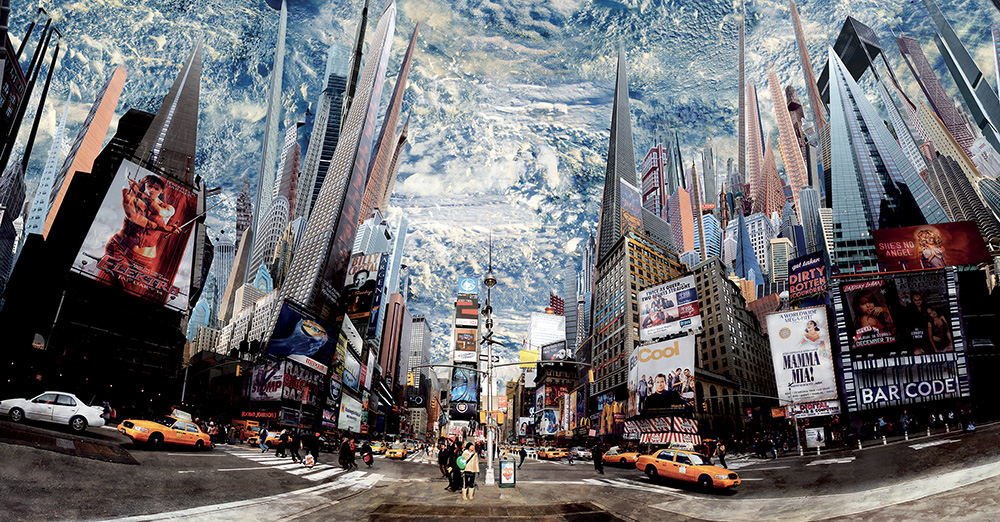
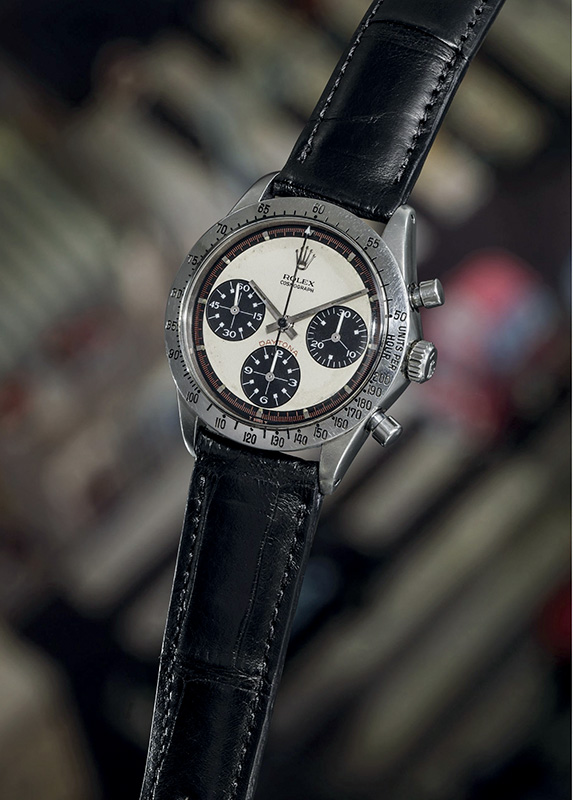
At a photography auction in London’s Berkeley Square, Phillips offered works by Mario Testino, Irving Penn, Seiji Kurata, Annie Leibovitz, Guy Bourdin, Micaiah Carter, David Uzochukwu, Renell Medrano and Kennedy Carter, as well as a selection of fifty photographs by Helmut Newton from Simon de Pury’s personal collection. At the side, Paul Newman’s 1968 Daytona sold for $17,752,500. 

Image courtesy of Phillips.

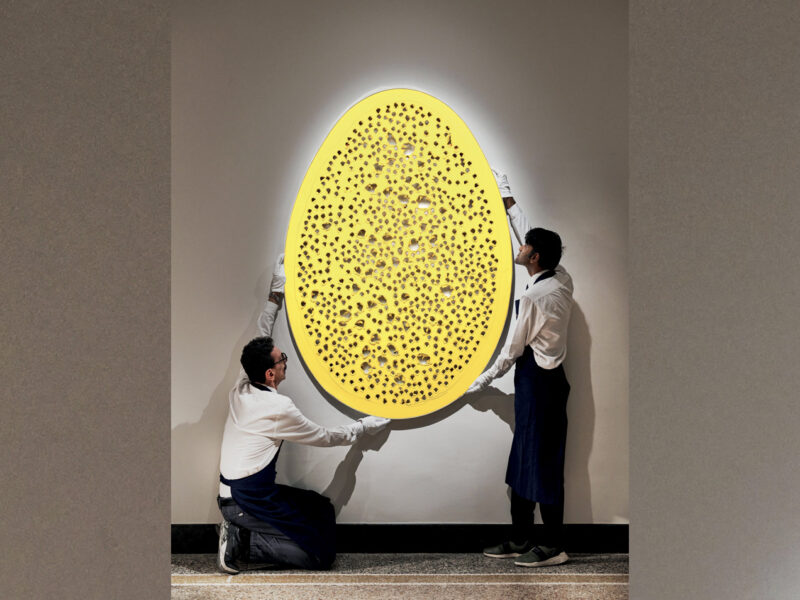
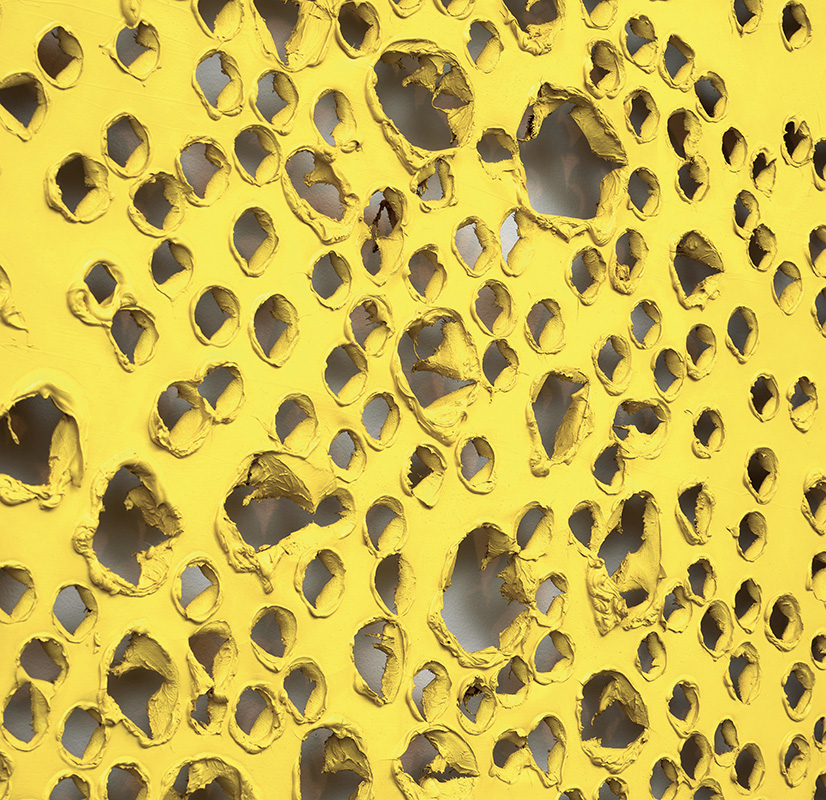
In 1963, when he was already known for his cuts and holes, Fontana experimented with a new series he called Spatial Concept – The End of God. Painted on large oval canvases of the same size, these thirty-eight works are characterised by constellations of holes, cuts and graffiti, sometimes covering only part of the monochrome canvas, sometimes the entire surface covered in oil paint. One of these canvases was sold at Sotheby’s in 2024 for 23 million dollars.

So, what justifies the definition of “investment” for “assets” that do not generate income, tend to be illiquid and are usually traded in niche markets with high transaction costs? Over the past twenty years, all areas of collecting have experienced significant price and volume growth that cannot be justified by investment logic alone.

The main driving force has been the concentration of wealth among the so-called High Net Worth Individuals (HNWIs), the multi-millionaires and billionaires (ultra-HNWIs) who control assets worth tens of trillions of dollars and whose numbers have grown over the same two decades in tandem with economic expansion, particularly in Asia. The increase in liquid assets creates room for elements of differentiation in the risk profile of their portfolios, favouring alternative assets of a non-financial nature. The long period of zero or negative interest rates following the 2008 crisis, which has only recently ended, has also contributed to the counter-cyclical growth of real asset prices.

@RMSotheby.

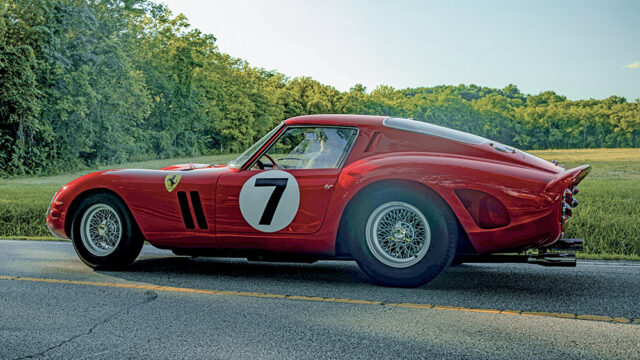
The 1962 Ferrari 250 GTO was auctioned at Sotheby’s in New York for €48.3 million. This record-breaking example is the only 1962 Tipo to have competed with the Ferrari racing team, winning first place in its class in the 1962 Nürburgring 1000-kilometre race. Unfortunately, chassis number 3765 did not finish the 24 Hours of Le Mans that year due to overheating problems; had it won the French endurance race, its value would have been even higher.

But investment demand is only one of the factors influencing these markets, and probably not even the most important one: one has to take into account the status conferred by owning these special objects, the sense of belonging to a “club”, the aesthetic pleasure derived from their possession and the historical and cultural significance of these very special “fetishes” or “relics”.

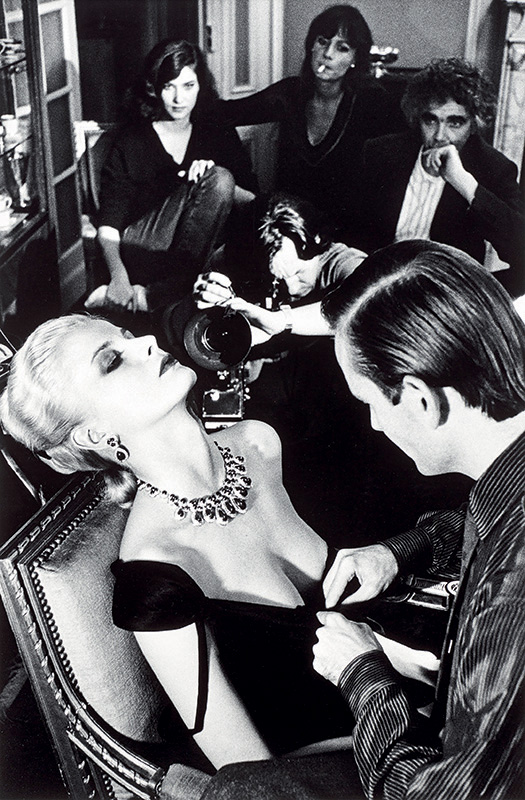
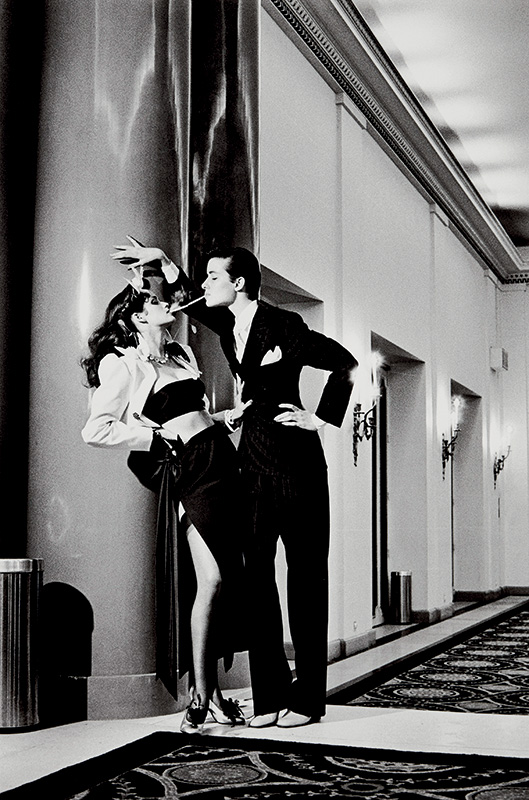
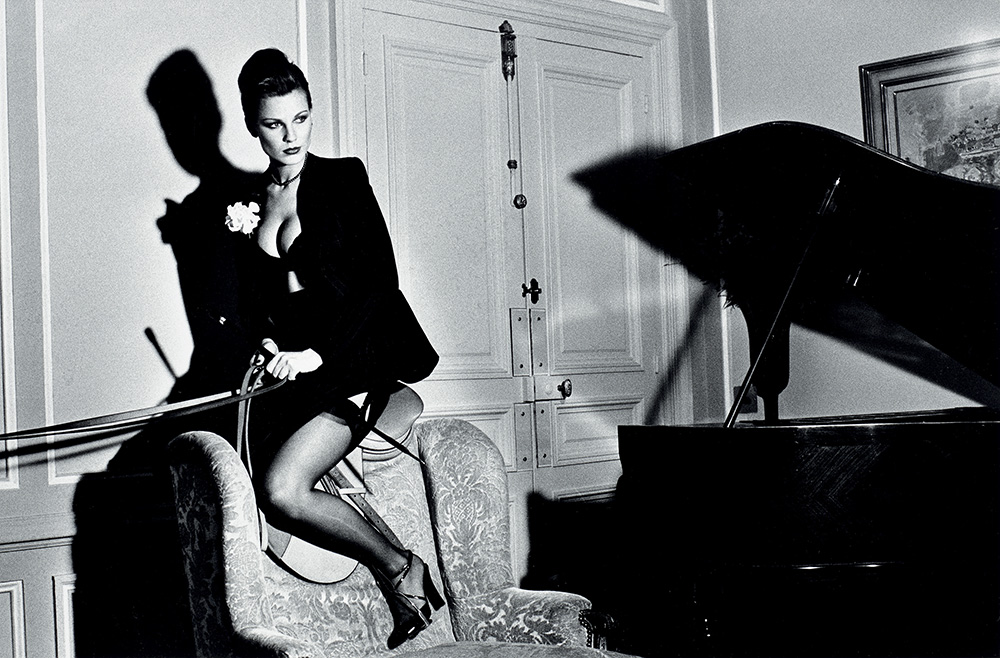
© Helmut Newton Foundation / Trunk Archive. Image courtesy of Phillips.

Helmut Newton became famous for his black and white, erotic and noir fashion photographs for international magazines. His dreamlike images embraced a sense of menace and luxury, capturing nudes, celebrities, hotels and mansions with equal verve. Newton’s work has been exhibited at the Palais de Tokyo, the Tate Modern and the Museum of Photography. His photographs have sold for over $1 million on the secondary market.

All the objects mentioned at the beginning were produced in the same decade, the 1960s, and are among the best examples of the creativity of that period in the West: they evoke memories and sensations that are unique and indispensable to the generation born after the war in that socio-cultural context. In other words, their value depends on the historicisation and social consensus of a demographic class that is currently affluent and increasingly close to the intergenerational transfer of wealth, already accompanied by generations and cultures with different values and memories, destined to change the prevailing “taste” and thus the relative market valuations.

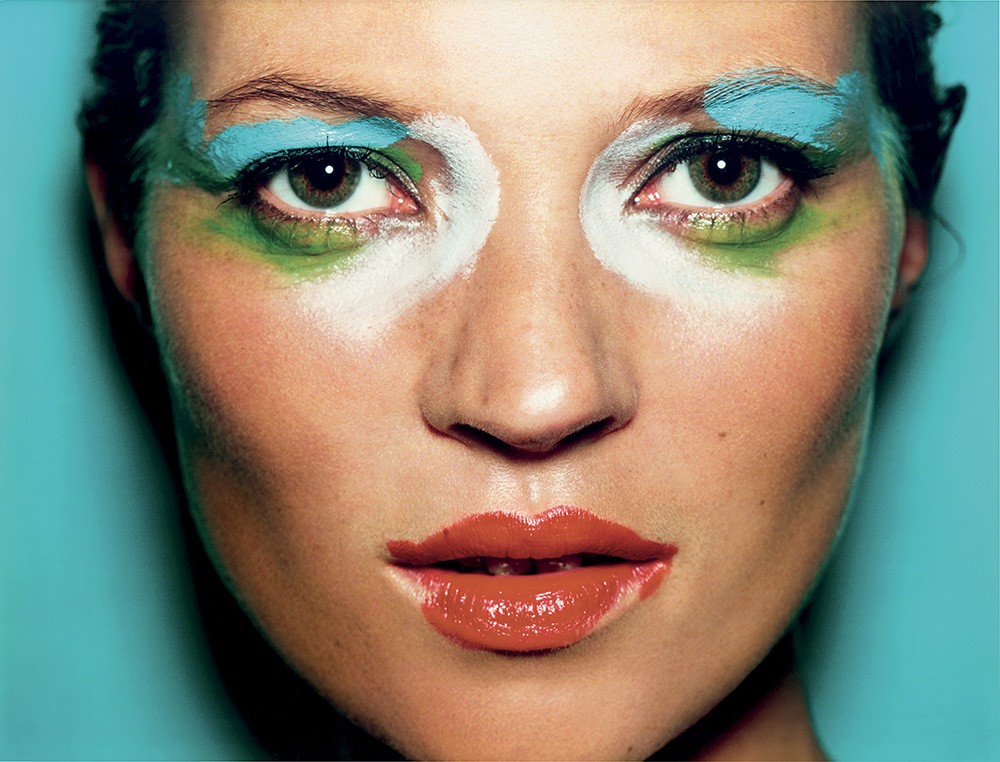
Mario Testino is recognised as the quintessential fashion photographer of his generation, but his photographs of Kate Moss transcend fashion. The result of two decades of extraordinary friendship and phenomenal glamour, this iconic collaboration offers an intimate insight into the lives and minds of two of the world’s most definitive style leaders.

I would like to conclude this first part with a small test, inviting readers to make two lists of the items mentioned at the beginning: the first in order of personal preference, the second according to their perceived market value. A small exercise to help us never lose sight of the element of passion, the intangible benefit that each of us individually derives from owning or admiring such special and fascinating objects.

Giovanni Gasparini

Giovanni Gasparini is an art and collectables management consultant for private clients of the Monegasque/Swiss company Altiqa, to which he brings his knowledge of the world of London auction houses. Since 2010 he has collaborated with ArtEconomy24 of Il Sole 24 Ore, commenting on the international art and collectibles market. He has taught in London, where he founded and directed the MSc in Art, Law & Business at Christie’s Education, and currently in Milan at SDA Bocconi, where he graduated in Economics. His passion for art and classic cars is matched by his love for yachting and sailing in particular.

(Collecting – Between a passion and an investment – Barchemagazine.com – July 2024)