Carbon hull and deck, hybrid propulsion engine and plenty of technology. We went to Monfalcone to see closely how one of the most innovative boats is built, Adler Suprema
by Niccolò Volpati – photo by Andrea Muscatello
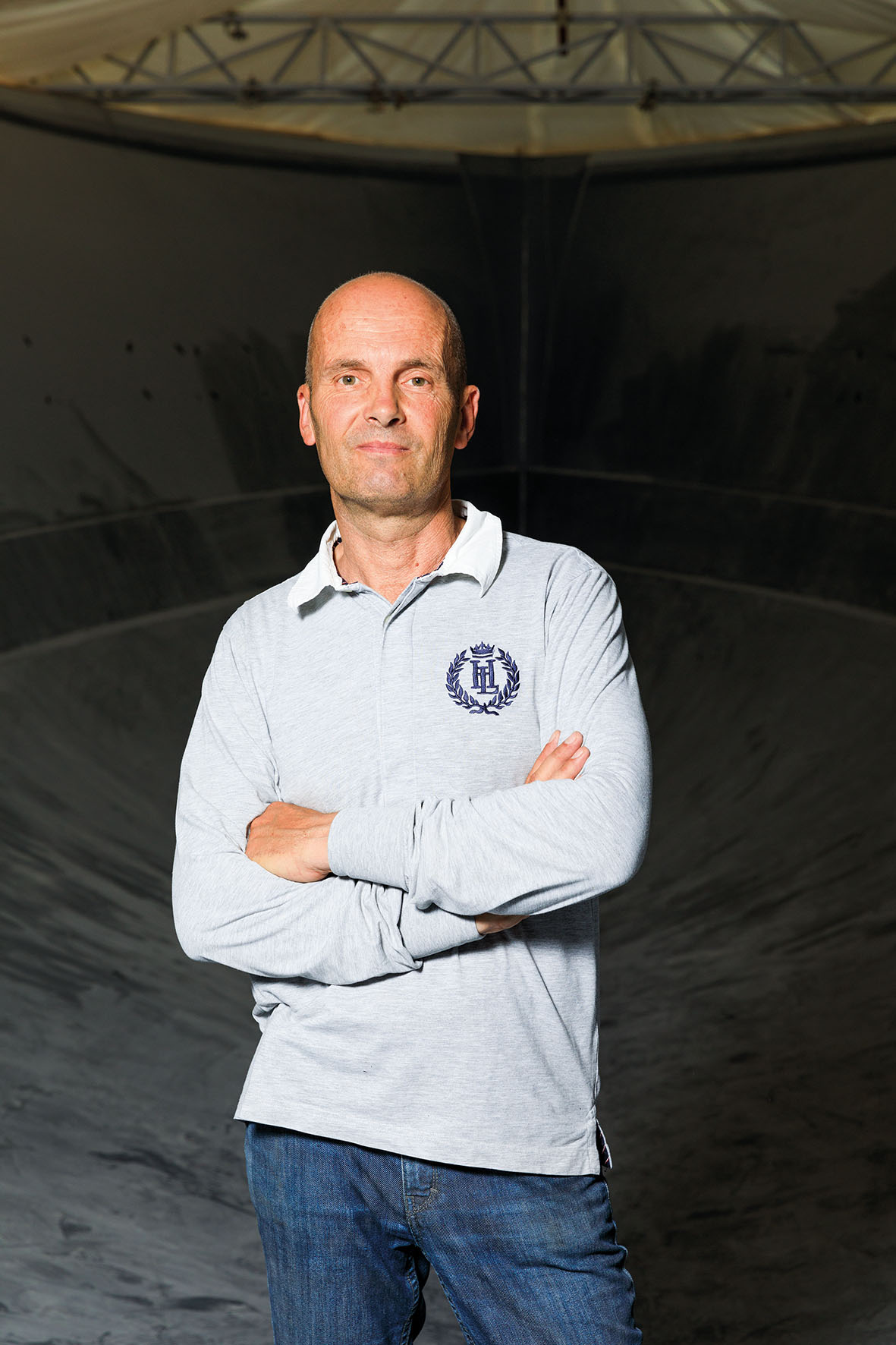
Giorgio Ferluga
While crossing the huge yard with boats of all kinds and ages, the effect is slightly strange. We have come to see how the Adler Suprema, a 76-foot super innovative and technological leisure boat, was born. We are in the Alto Adriatico boatyard boasting 40 years of history. «There is no contradiction – explained Giorgio Ferluga – if you are good at working with wood you can create anything, even with carbon».
Ferluga started as an apprentice in Trieste, working with about forty naval carpenters. Along with two other partners he started the Alto Adriatico boatyard beginning with a refitting activity restoring mid-nineteenth century boats building new hulls, always in wood. The first was designed by Carlo Sciarrelli and then by several other designers who have made the history of yachting, such as Vallicelli, Frers, Ceccarelli, just to name a few.
An ambitious project looking to the future must be based on solid foundations and tradition. «The mould of the hull of the Adler Suprema is in wood and was built by the yard workers» said Andrea Canciani, technical manager at Adler. The work was perfectly carried out as it was noticed when the deck was joined to the hull.
There were no surprises either regarding quality or size – it was perfect work. «For the workers it was a kind of a cultural shock, because there was no wood, except for the teak floor» said Ferluga. The Alto Adriatico yard has been owned for some years now by Adler and it is the focal point for the development of this project.
It still carries on refitting vintage boats but at the same time takes care of the entire production of Adler boats. Adler Suprema was a sort of work in progress because it was very innovative.
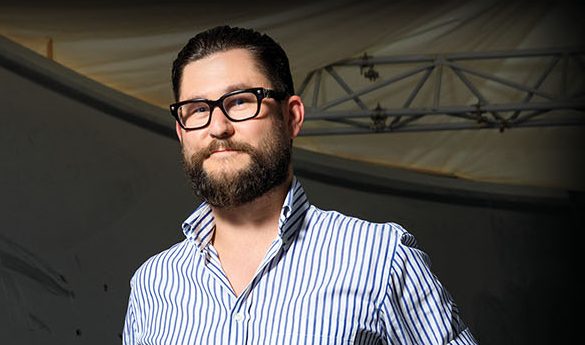
First of all for the materials, since it is rare for a motor boat to be almost entirely built in carbon and Kevlar, then, from the propulsion point of view, since it is a hybrid diesel plus electric engine. The object is to optimize structures, materials and hull, as it is in the world of racing sailboats. «It was a challenging job for somebody like me, coming from the racing world», said Andrea Canciani.
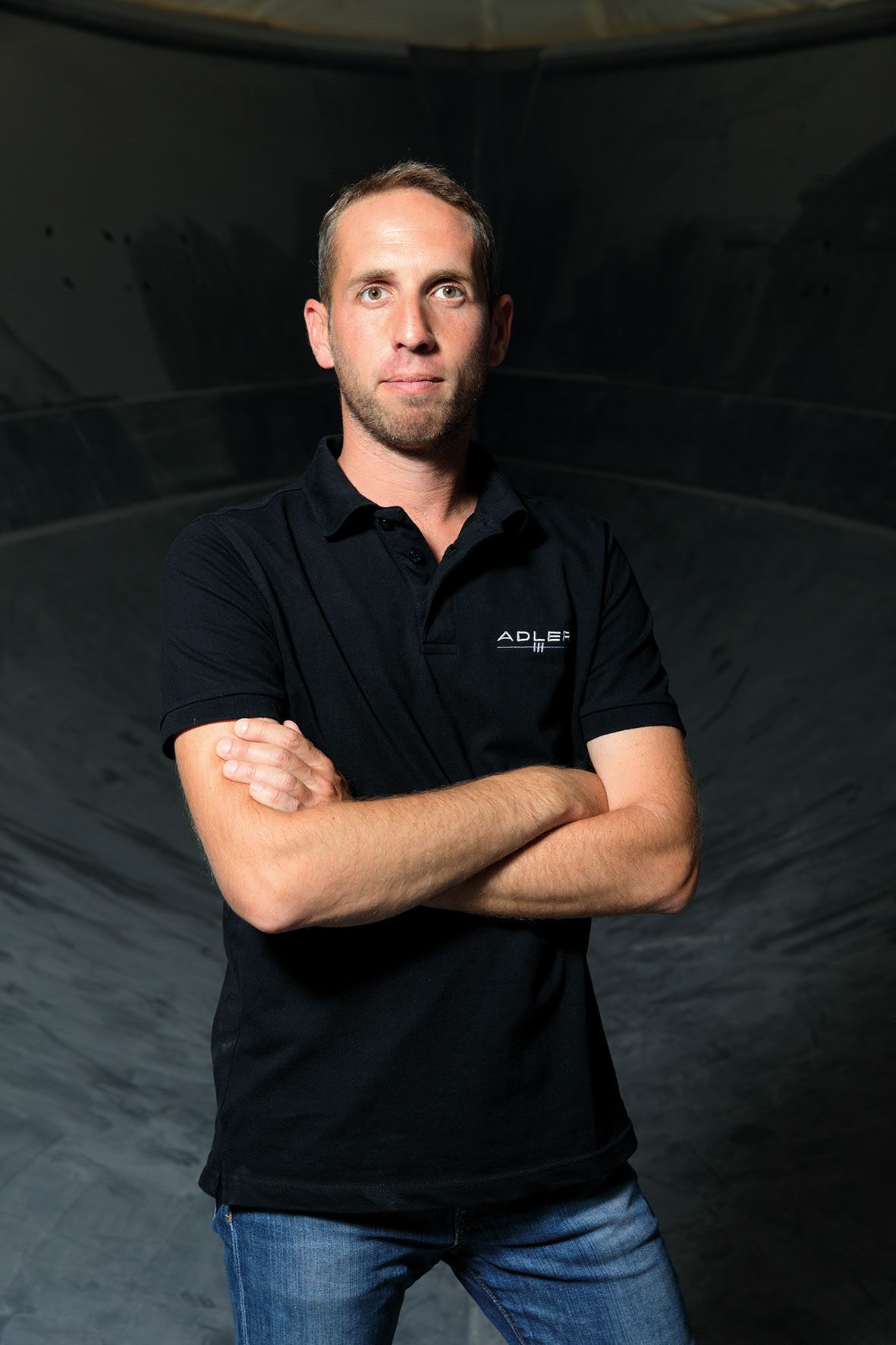
Andrea Canciani
In fact, many boatyards where motorboats are built, solve the problem of performance by increasing the engine power. However we have chosen a different path. The boat must be as lightweight as possible, without losing its robustness, so that a low engine power can give a good speed performance, low fuel consumption, low environmental impact and very low noise.
«Ship-owners have changed», explained Philipp Pototschnik, chief executive officer at Adler. «Once – he continued – those who bought a sizeable boat were successful industrialists of a certain age, who could therefore devote themselves to their passion. Today, fortunately, there are also the new generations. These are also wealthy and successful people, but younger». Perhaps, we should add that 2.0 ship-owners are more environmentally aware.
They like to go out to sea without burning thousands of litres of diesel fuel not just to save money, but also to preserve as much as possible the marine environment. Adler Suprema has proven to be able to pursue this goal.
When we tested Adler Suprema in the Gulf of Monte Carlo, we realized how pleasant it was to navigate at 8.5 knots under electric power. As we looked at the second and third model under construction, we asked Andrea Canciani if he thought that fiberglass had had its day. «Absolutely not. Maybe low quality resins are going out of the market».
He explained that, according to him, carbon with epoxy resin offers the advantage of giving a better product from a mechanical and structural point of view. Suprema is about 20% fiberglass, which means that they used it where it was needed, for example where stabilizers are housed.
Carbon, in contact with metal parts and near water could have created problems while with fiberglass they were certain that even after a few years there would be no need for special maintenance. «One has to choose a good quality fibre, whether glass or carbon», said Canciani. There are not many carbon manufacturers in the world. Many sell it but few produce it.
Those who sell fibre offer a wide range of products. «With this project it is a bit like ripples in a pond», said Philipp Pototschnik, «now it is up to us to exploit the effects caused by the swell». Small waves do not make a sea, least of all a stormy one.
Something has moved. It is not a case that Adler is aiming at cutting down production times. The construction site allows them to work at the same time on more than one hull, and after the first one, which is a work in progress, the objective is to reduce production time to 12 months. From drawing board to launching must not be more than a year.
There is talk about new solutions, which would allow the forty people employed in production, both internal and external, to optimize times.
They are also thinking of growing in size, but not too much, at least for the time being. They are satisfied with the results with Suprema and believe that a length not exceeding eighty feet would be enough to carry out this innovative project.
(Ottobre 2017)