1854-2024: seventeen decades, three centuries and two millennia, during which the Seagull brand has built its history and reputation on the skills it has acquired in the military and pleasure boat sectors, always combining know-how, engineering and construction skills, innovation, creative genius and stylistic research
by Olimpia De Casa
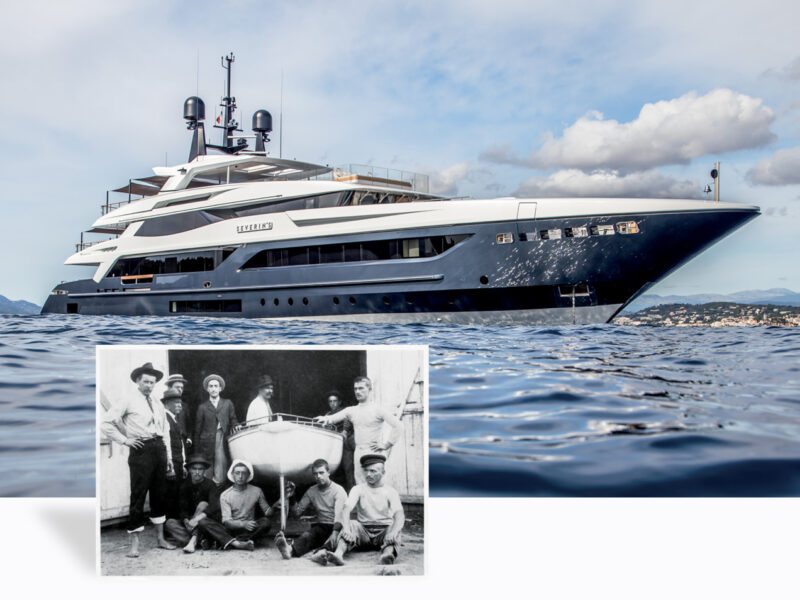
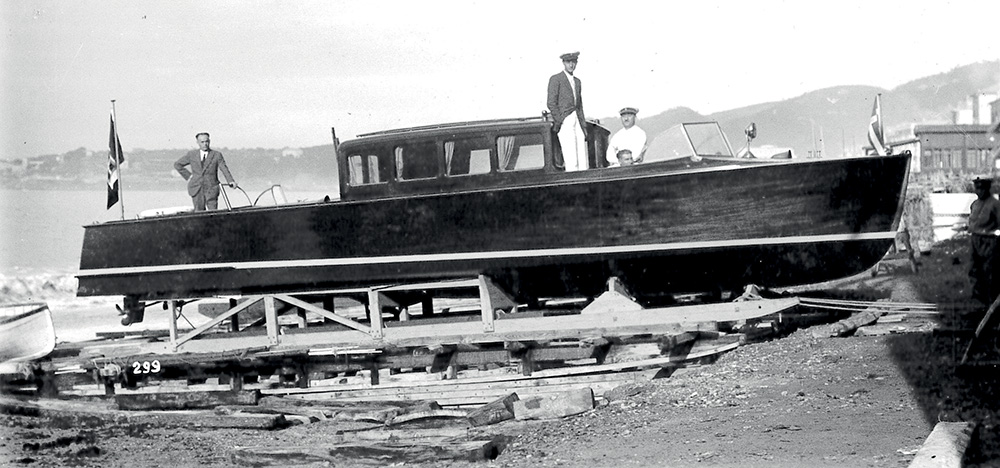
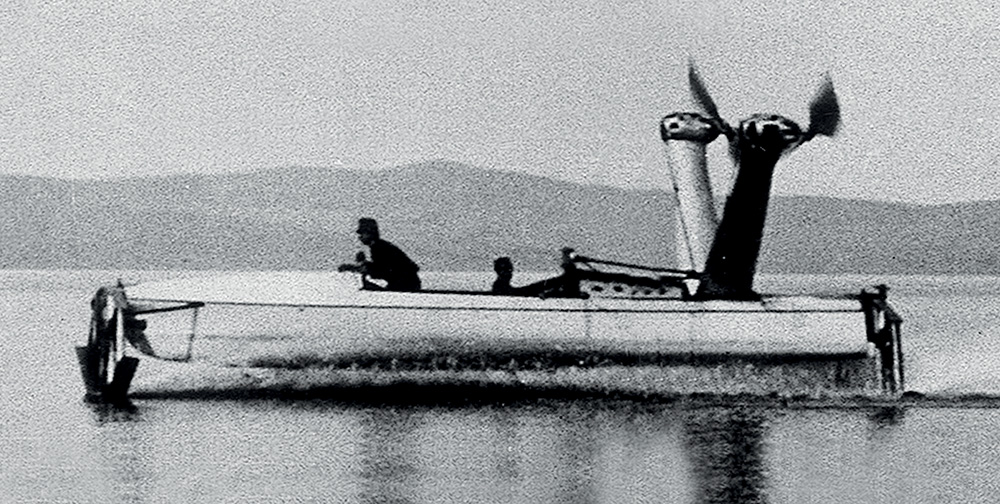
The 2024 anniversary should be celebrated in full: 170 candles is not something to be taken for granted or snubbed. The shipyard, owned since 2012 by the Gavio family, one of the most solid industrial groups in the infrastructure, transport, logistics and motorway management sectors, was founded in Varazze in 1854 when Pietro Baglietto decided to start building small boats in his shipyard. From there it was only a short step to the first pleasure boats, so much so that in 1888 he built one for Pope Leo XIII. The first motorboats were launched in the early twentieth century, followed closely by several important firsts: in 1906 he launched Giuseppina, the largest cruising yacht (22.6 metres long) with an “internal combustion engine” that had ever been built in Italy, while during the same period he built the world’s first hydrofoil prototype. After his death, his sons Bernardo and Giovanni Battista began working for the Italian government, building airships and seaplanes for the Italian Air Force.
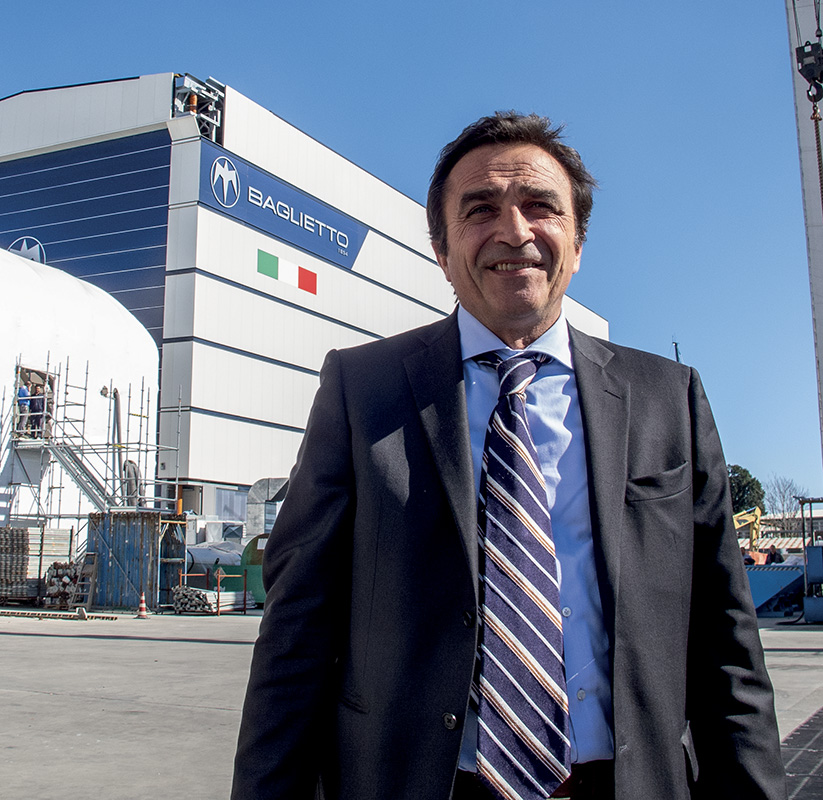
Beniamino Gavio.
Beniamino Gavio, Chairman of Baglietto, was determined that the shipyard should return to being the quintessential symbol of Italian yachting, reviving elements and concepts from its glorious tradition, while rethinking the lines without disrupting the memory of it.
At the outbreak of the First World War, Baglietto developed the most advanced torpedo boat design for the Italian Navy. The MAS – an acronym for Motoscafo Anti Sommergibile (anti-submarine)- ushered in a new generation of military vessels, renowned for their robustness, excellent manoeuvrability and seaworthiness, which soon broke all class records, breaking the 50-knot barrier in 1936. Baglietto received orders to build boats for Vittorio Emanuele III (the 15-metre ME 91, delivered in 1938) and for Gabriele D’Annunzio, who became the owner of the 12-metre Alcyone in 1932 and coined the famous motto “Memento Audere Semper”, his interpretation of the acronym MAS. The long collaboration with the Royal Navy and then with the Italian Navy, the Finance Police and the Harbour Offices, which impose extremely complex specifications, enabled Baglietto to develop cutting-edge expertise and technological knowledge that it immediately put to good use in yachting. In the postwar period, thanks partly to the expansion of the shipyard, Baglietto was ready to produce motor yachts on a large scale.
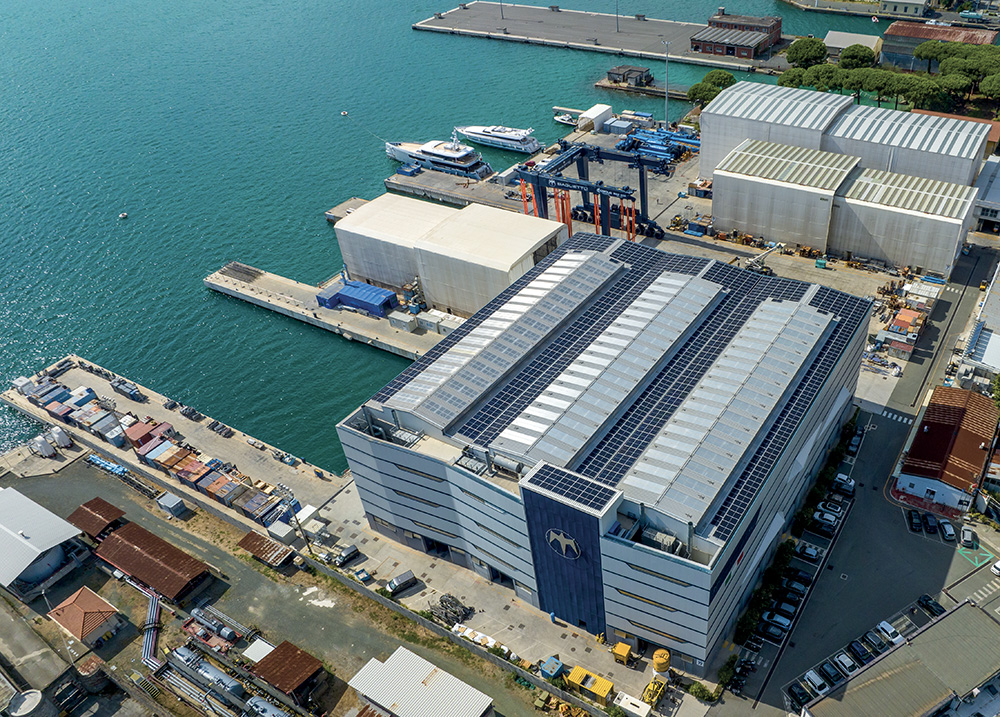
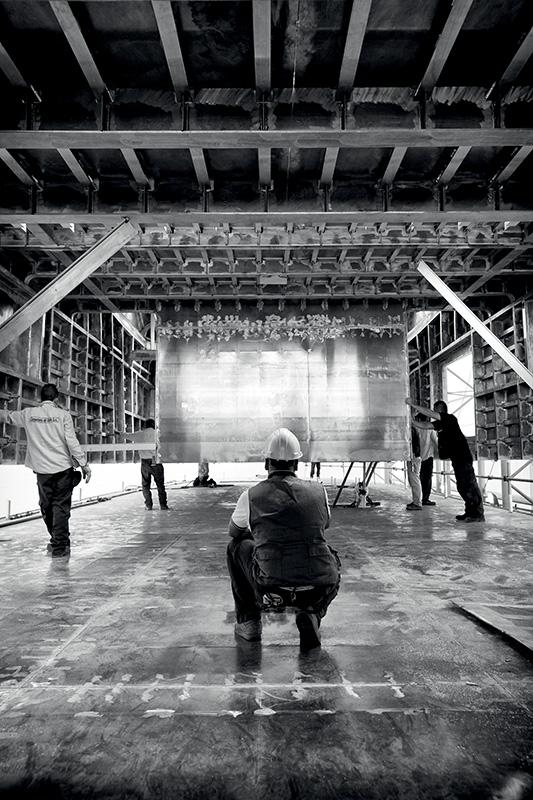
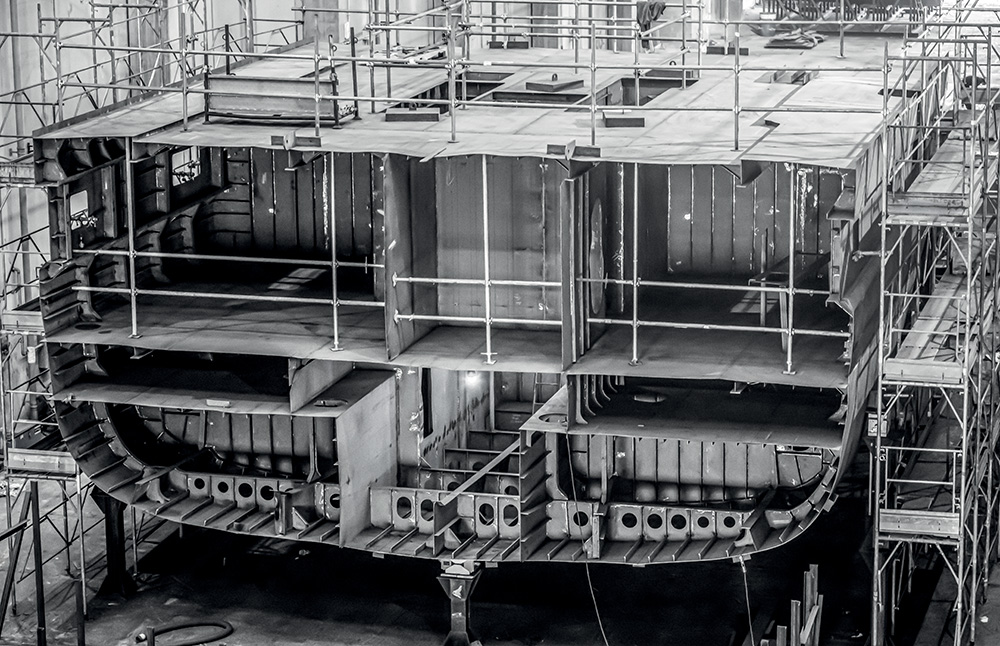
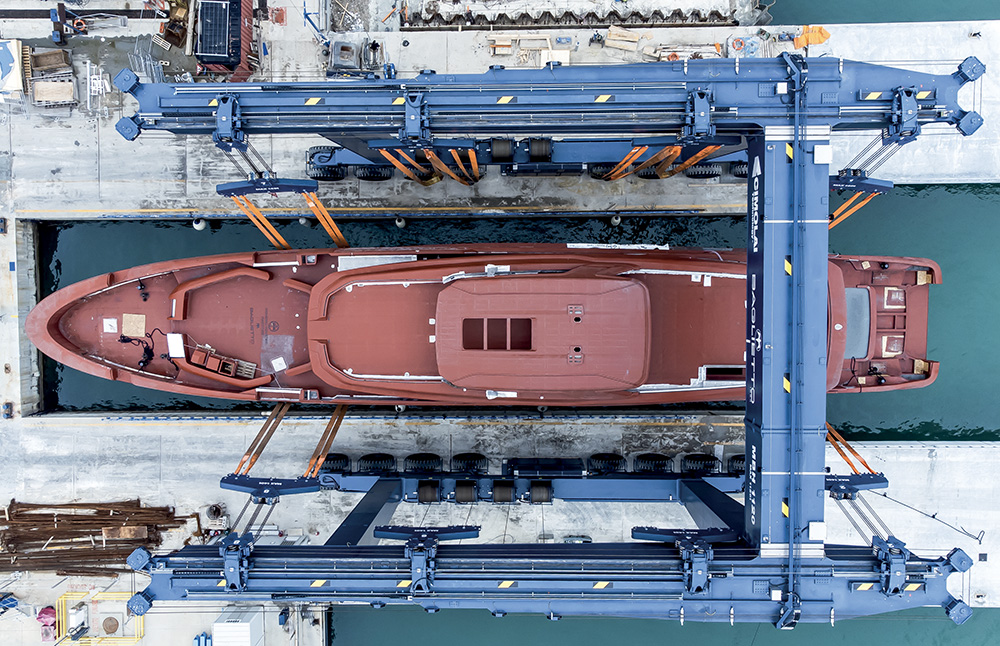
BAGLIETTO HAS TWO PRODUCTION SITES, IN LA SPEZIA (HEADQUARTERS) AND CARRARA (OPERATIONAL HEADQUARTERS). THE LA SPEZIA PLANT COVERS AN AREA OF APPROXIMATELY 35,000 M2.
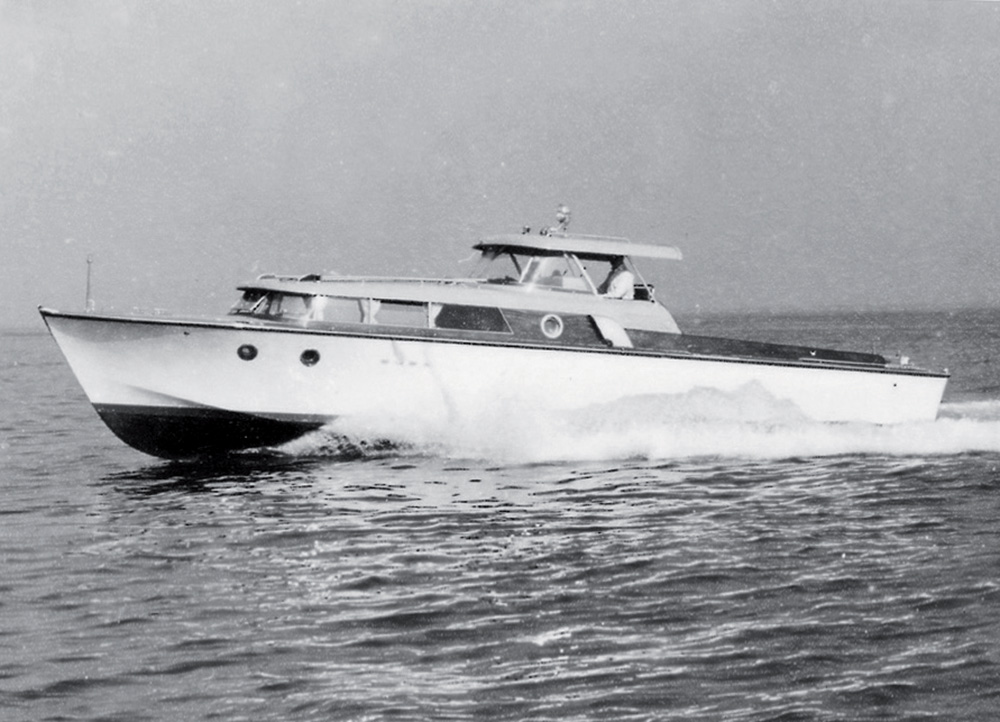
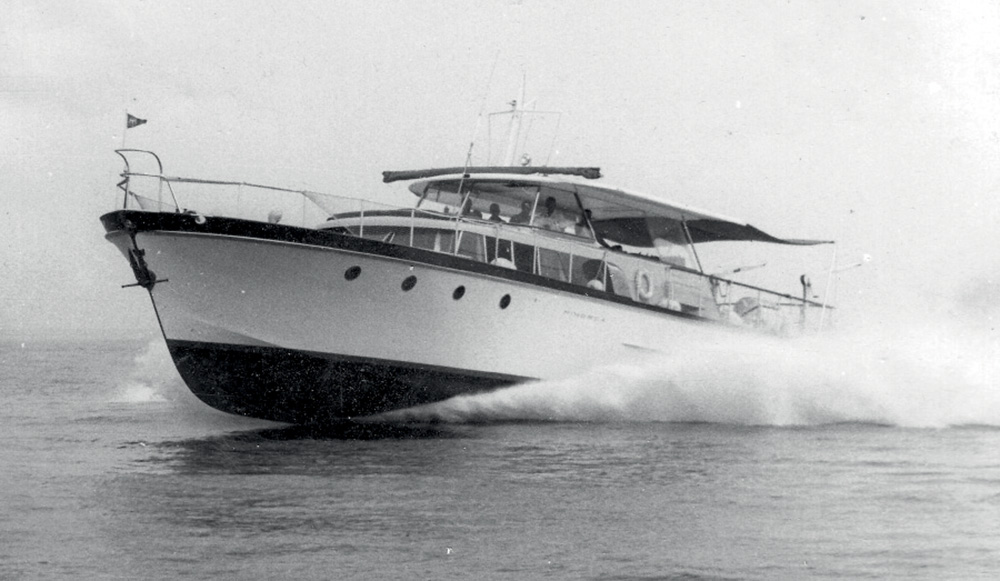
Between 1958 and 1962 the Seagull brand launched the wooden series, with hulls derived from the legendary MAS, dedicated to the Mediterranean islands: Elba (11.5 metres), Ischia (16 metres), Capri (14 metres), Minorca (20 metres), Maiorca (22 metres). The advent of marine plywood made it possible to apply new construction techniques, mainly for interior design, replacing planking with large monolithic panels that were easy to cut, light and strong. This was the period of the first collaboration with the designer Paolo Caliari, who interpreted the material by introducing an angular style that created new spaces and volumes for more spacious interiors and larger outdoor areas. In 1962 the Baglietto style won another illustrious owner:
BAGLIETTO’S HISTORY TELLS THE STORY OF 170 YEARS IN ITALY, THROUGH WARS, ECONOMIC BOOM, CRISES AND GREAT INTERNATIONAL SUCCESS, ALWAYS OFFERING BOATS CHARACTERISED BY TECHNICAL INNOVATION, STYLE, TOP DESIGN AND BUILD QUALITY.
Giovanni Agnelli. The 27.5-metre GA 30 designed by Paolo Caliari was built for him, with a hull derived from the repertoire of the British military shipyard Vosper. In the 1950s and 1960s, the Seagull brand also took up the thread of a racing tradition rich in victories with the construction of several international 5.5-metre yachts. At the end of the seventies, with the death of Vittorio Baglietto, defined by Time magazine as “the founder of Italian yachting”, the Baglietto family decided to retire. The eighties coincided with the aluminium era. The Rodriquez family, world leaders in the production of hydrofoils and the new owner of the shipyard since 1983, was very familiar with this material, paving the way for a new challenge that Baglietto took up with enthusiasm, thanks to its experience in the use of this material in military naval and aeronautical construction.
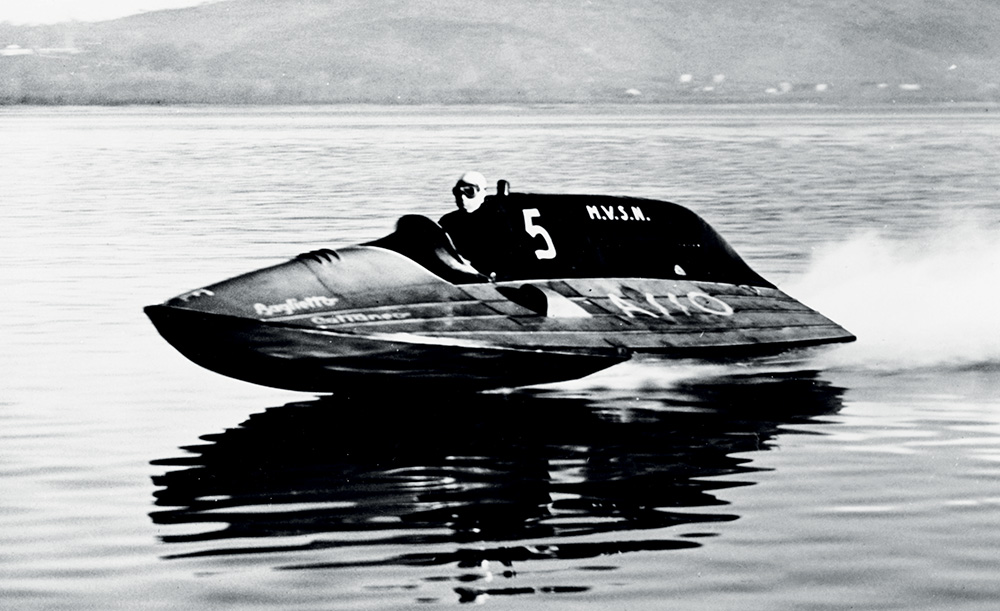
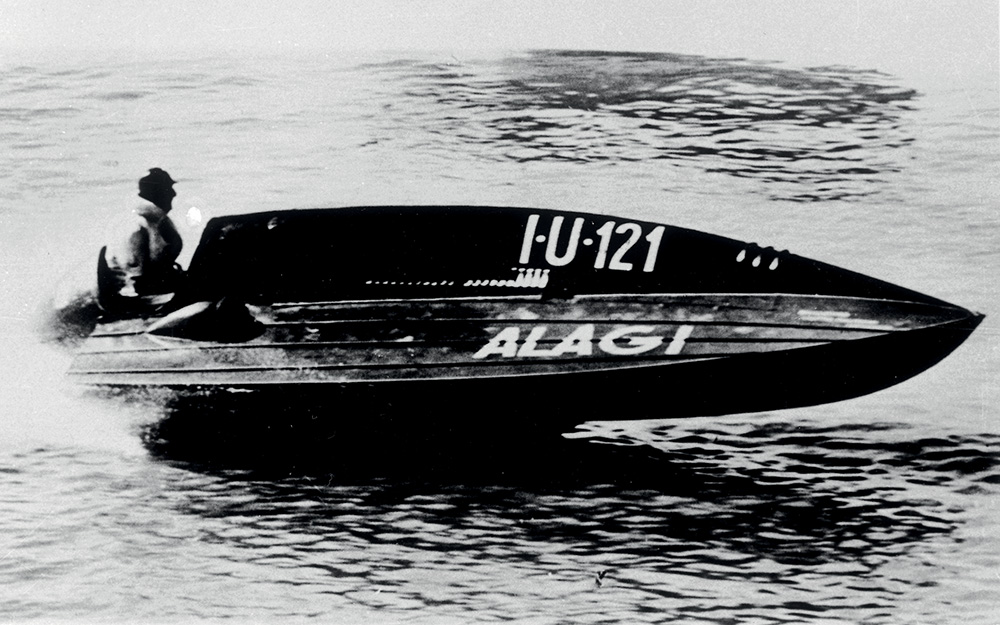
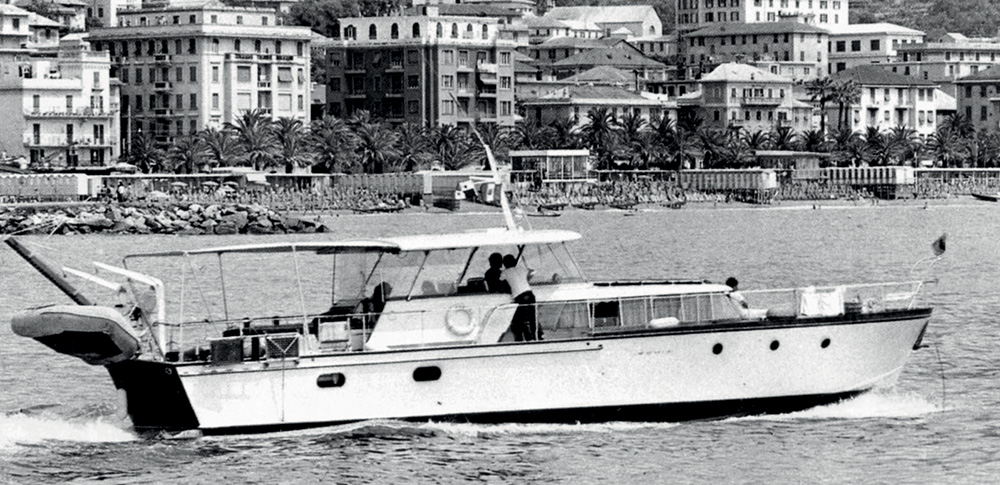
The beginning of Baglietto
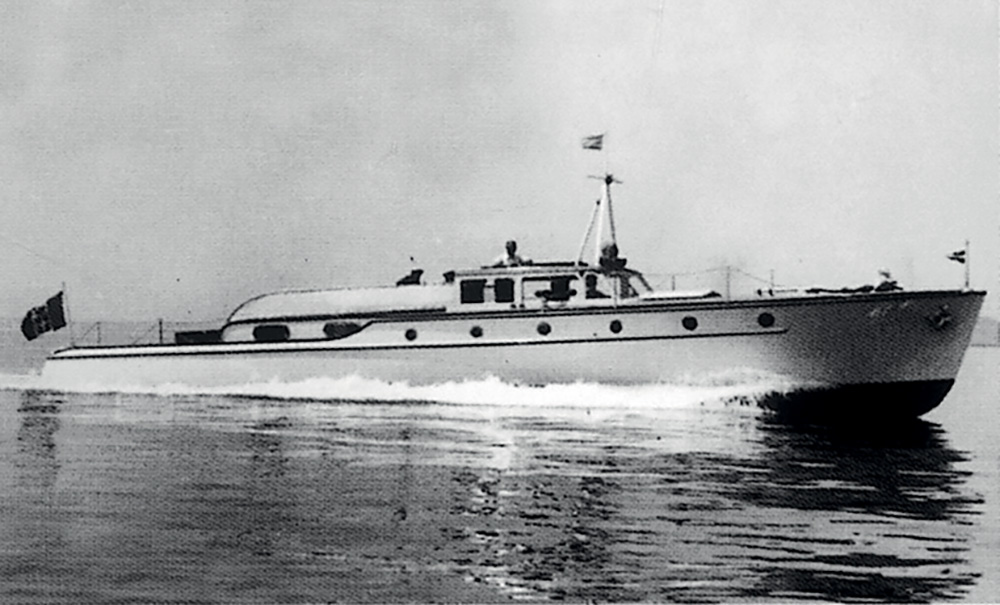
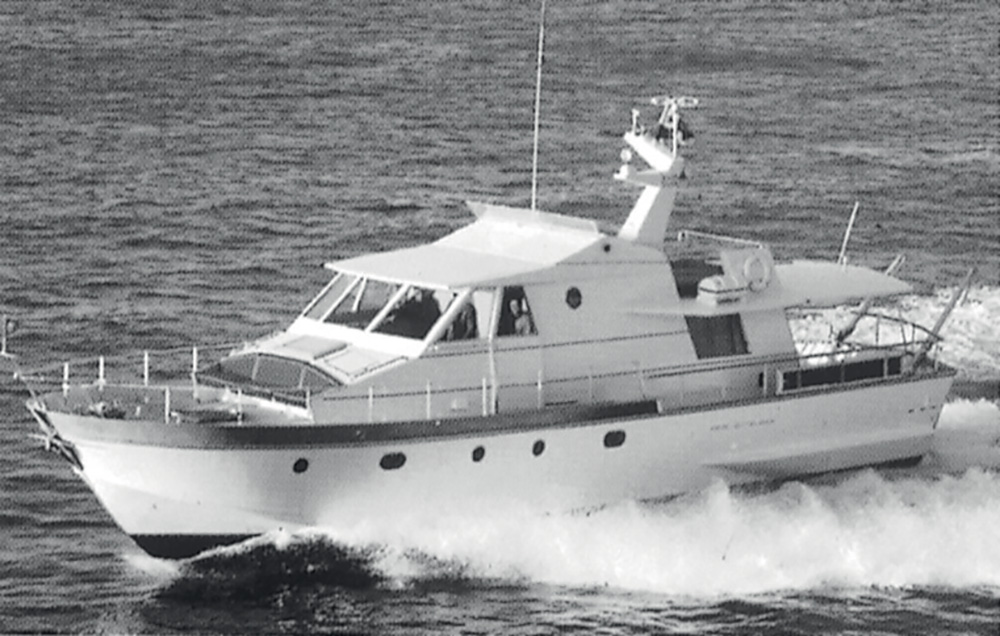
In the middle of the nineteenth century, Pietro Baglietto started his business in Varazze, building small gozzo and dinghy hulls. In 1888 he built the boat for Pope Leo XIII, followed by the famous yacht Miss Mary in 1891. At the beginning of the twentieth century, he began to build the first motorboats, then known as “automobile dinghies”. In 1906 he launched the largest Italian motor yacht of the time, the 22.6m Giuseppina. During the First World War, Baglietto developed the MAS (Motoscafo Anti Sommergibile) assault craft for the Italian Navy, which broke the 50-knot speed barrier in 1936. The series dedicated to the Mediterranean islands (Elba, Ischia, Capri, Maiorca and Minorca) and the metric series (18M, 16.50M and 20M) represent an important chapter in Italian naval history.
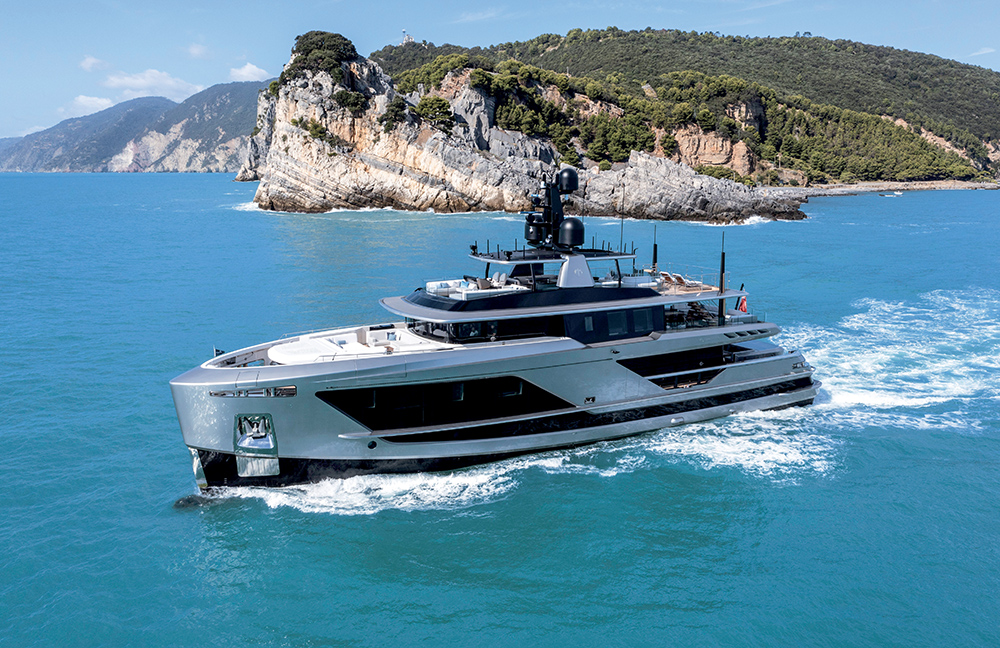
Enterprise, photo by Paradisi.
THE CARRARA PLANT HAS TWO AREAS OF 5,000 M2 EACH, ONE FOR THE CONSTRUCTION OF MILITARY VESSELS AND THE OTHER, WITH FOUR NEW HALLS, FOR THE CONSTRUCTION OF YACHTS UP TO 50 METRES.
Ever larger boats
A pioneer in aluminium construction, Baglietto began to focus on the construction of large vessels. The first was Al Fahedi, a 44.82-metre boat designed by architect Giovanni Zuccon for the Emir of Dubai with a hull by engineer Alcide Sculati, followed in 1987 by the 35-metre Adler, considered the first true Italian megayacht. Designed by Alberto Mercati and powered by waterjet propulsion, it was capable of reaching a speed of 36 knots. The masterpiece of the period was the Chato, Baglietto’s last creation for Baron John von Neumann, a whimsical American shipowner who wanted the fastest boat in the Mediterranean. The shipyard built it for him in 1988: the 26-metre yacht, with a displacement of 60 tonnes, was initially powered by two 2,610 horsepower MTUs, but the baron was not satisfied and Baglietto coupled the two KaMeWa waterjets with the very powerful 3,480 horsepower MTUs. During sea trials, the aluminium construction, with only two cabins and almost 7,000 horsepower, reached 62.5 knots.
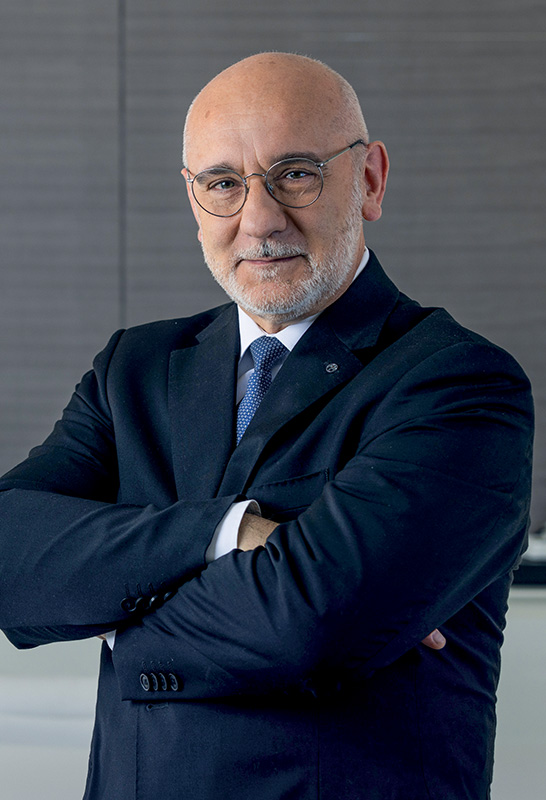
«Today I’m happy to say that Baglietto can count on a strong team that will allow us to face the future with substance and foresight».
Diego Michele Deprati
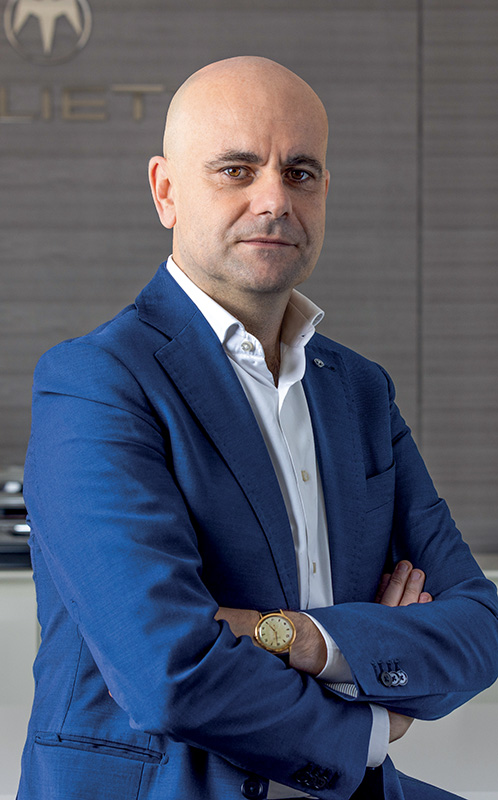
«In addition to our standard designs, we are happy to respond to our customers’ requests for unique designs with fully customised production, a sign of the shipyard’s great flexibility and willingness to respond to any request». Fabio Ermetto
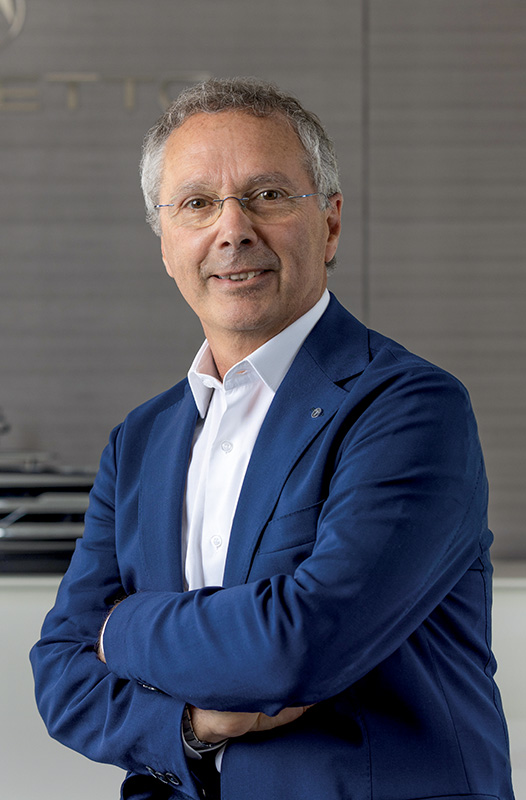
«R&D can no longer ignore the issue of sustainability. Our efforts have always been focused on reducing fuel consumption in all areas – from hull design to the choice of antifouling paints, lighting and air-conditioning systems – and on researching alternatives to the internal combustion engine». Guido Penco
Baglietto and Paszkowski
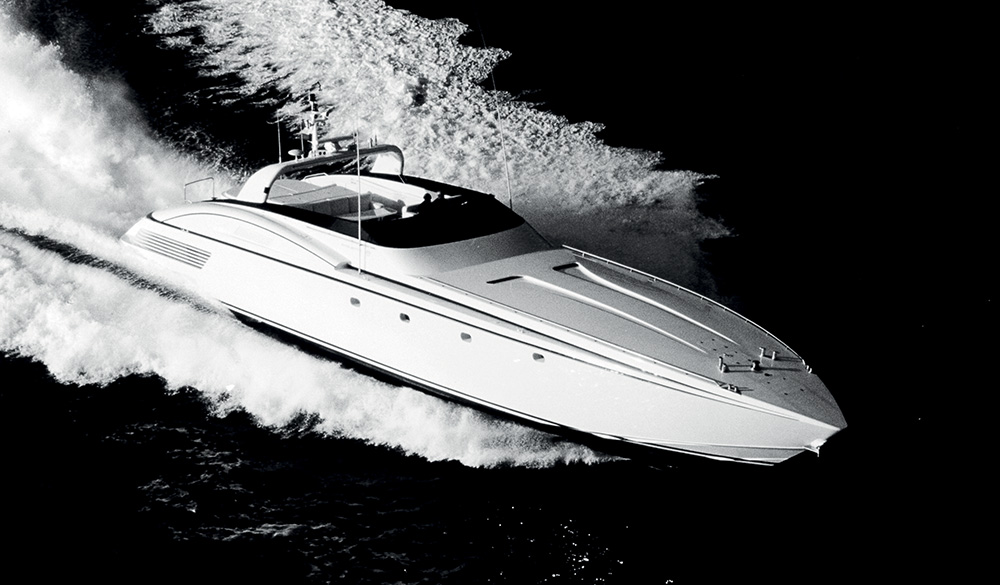
This marked the start of the era of great stylistic explorations which, under the guidance of entrepreneur Giampiero Moretti, who took over the yard from the Rodriquez, resulted in the Maffy Blue and Alba designed by architect Cichero in 1991 and 1993 respectively. These models marked the beginning of the “series” concept, setting new standards in the design yacht segment with innovative exterior lines and decidedly luxurious interiors. The collaboration with Francesco Paszkowski dates back to this period, with the debut in 1994 of Opus, the first 29-metre open yacht capable of sailing at 40 knots.
In 1999, the acquisition of Cantieri Ferrari in La Spezia gave a new boost to the brand’s production capacity. After the brilliant debut of the Opus, Francesco Paszkowski became the undisputed protagonist of the golden age at the beginning of the third millennium, which lasted for eight years under the direction of the Orsi family, who now owned the shipyard. In 2000, the Florentine designer designed the 30-metre Charly Boy, which was to set trends in the years to come. In 2001, Thunderball, the first series of 34-metre “fast yachts”, was presented. Three years later, Tommaso Spadolini designed two highly original units: RC, a 41-metre for the fashion designer Roberto Cavalli, and Nina J, a longer 42-metre evolution that won the Compasso d’Oro in 2005. In the same year, Baglietto changed hands again when it was acquired by the Camuzzi Group.
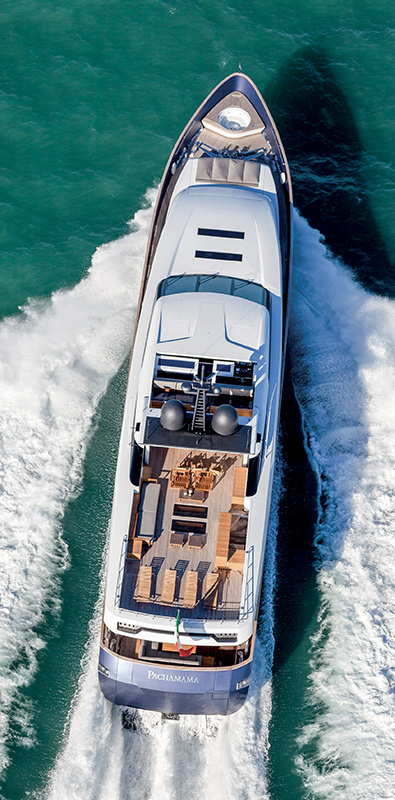
Pachamama.
Always with the unmistakable style of Francesco Paszkowski, Baglietto’s projects have taken the form of three 34-metre yacht designs as B 17, Bolaro and Apache II, open yachts such as Pure Insanity, also 34 metres, and displacement yachts such as Annamia and Ancora (43 metres), Gitana and Baraka (53 metres) and the original 42-metre Natori, with interiors by Bannenberg & Rowell Design, inspired by the ascending explorer type. On the strength of these successes, the marriage between Baglietto and Paszkowski was consolidated in a perfect alchemy that heralded the contemporary and new projects for the relaunch of the Seagull brand by the Gavio Group, which has owned Baglietto for twelve years.
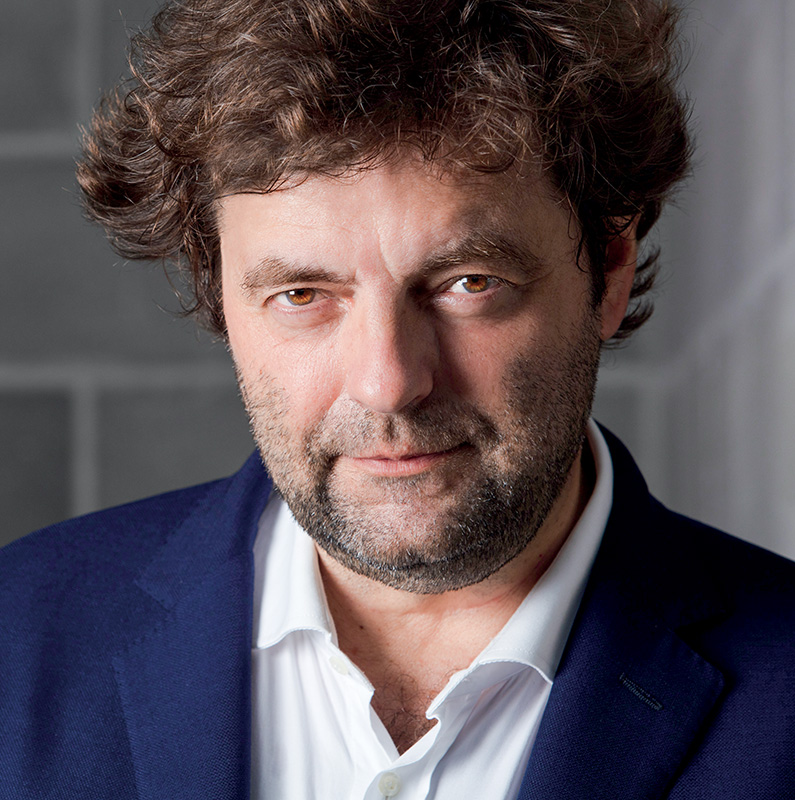
Francesco Paszkowski.
CANTIERE BAGLIETTO SPECIALISES IN THE CONSTRUCTION OF NEW ALUMINIUM PLANING YACHTS FROM 38 TO 50 METRES AND DISPLACEMENT AND SEMI-DISPLACEMENT MEGA-YACHTS FROM 40 METRES IN STEEL AND ALUMINIUM.
Today, Baglietto’s growth and development strategy is implemented through four product lines (TLine, Fast, DOM and XO), as well as the fully customised “made-to-measure” segment and, outside the yachting sector, the segment dedicated to the construction of military units under the Baglietto Navy brand. With 105 direct employees and an average daily satellite workforce of 600, the shipyard builds an average of six to seven yachts per year at its two shipyards in La Spezia and Carrara. The two Italian subsidiaries are flanked by the Baglietto Americas subsidiary in Fort Lauderdale, Florida, set up to manage one of the company’s strategic markets, and the recently opened subsidiary in Australia, as well as three new subsidiaries in Brazil, the Dominican Republic and Singapore.
Baglietto continues to be committed to product innovation and the search for advanced technological solutions that respect the environment. This is the context in which the BZero project was developed. It is a system that involves the implementation of a hydrogen production module that, starting from filtered and deionised seawater, produces green hydrogen through electrolysers powered by renewable sources. The first prototype of the hydrogen station will be used to cover part of the shipyard’s energy needs and will then be installed on board Baglietto yachts from 2026, starting with the MY Vanadis, the first Italian yacht to be certified “Hybrid Power” by Lloyd’s Register.
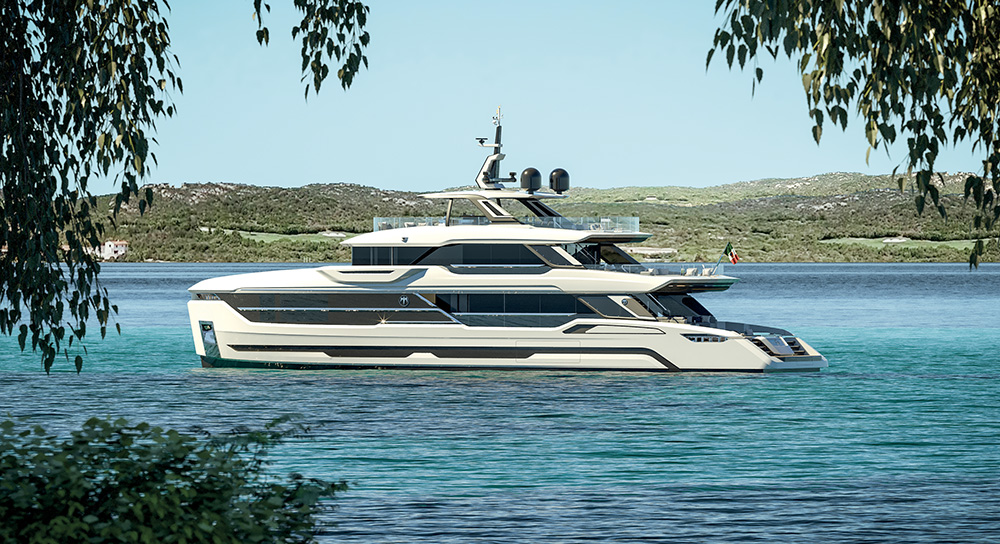
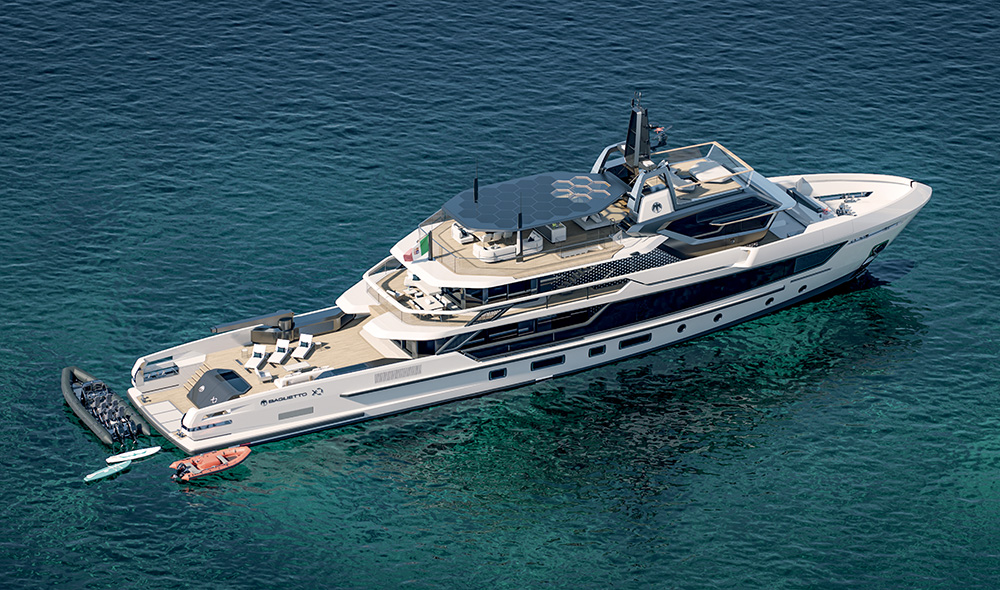
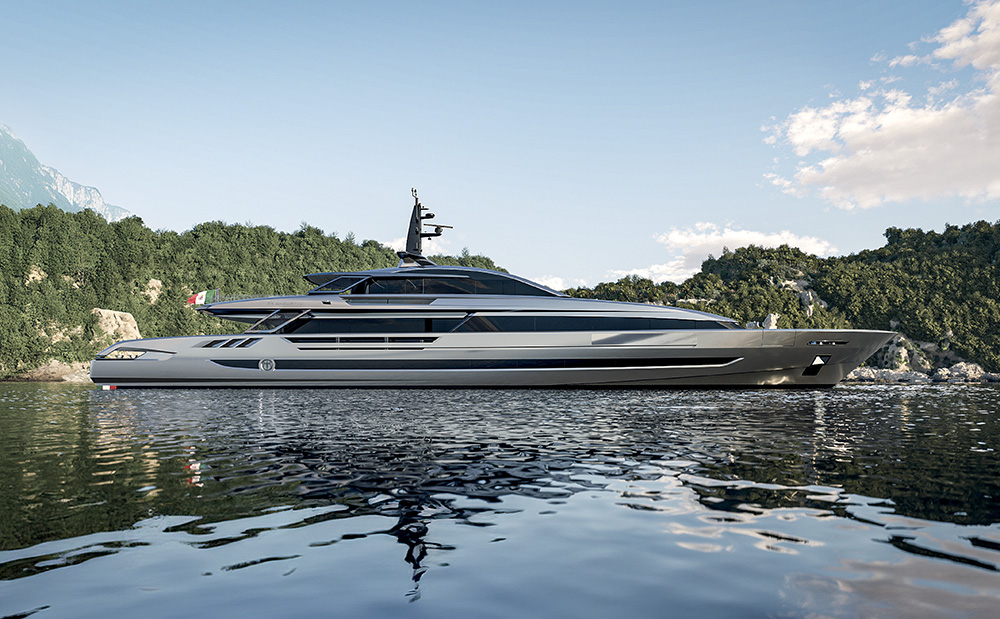
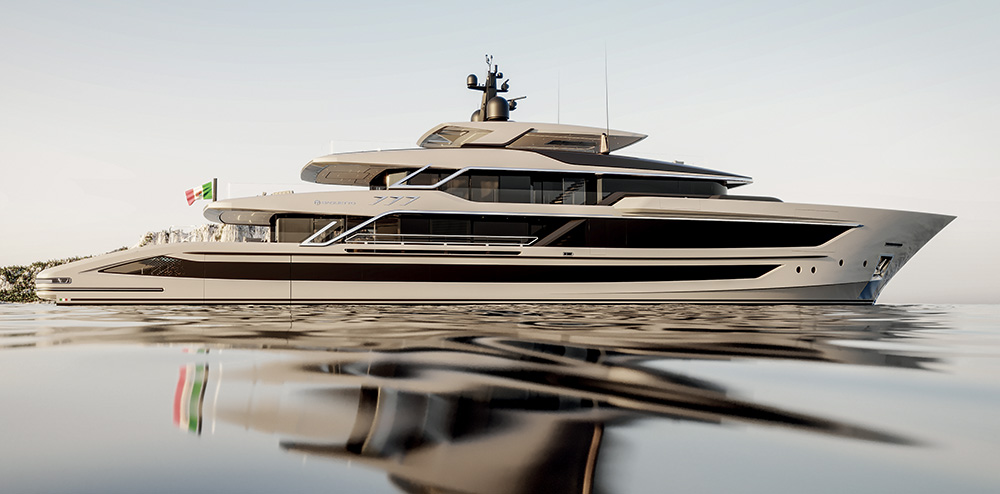
A RENOVATION PROJECT IS UNDERWAY FOR THE ENTIRE PRODUCTION PLANT WITH 3 NEW SHEDS FOR BOATS UP TO 65 METERS AND DOCKS EQUIPPED TO ACCOMMODATE SHIPS UP TO 70 METERS.
The proud guardian of the name and prestige of the brand that represents 170 years of Italian nautical history is Diego Michele Deprati, a resolute man of the sea who has set the course by believing in the strength of the team, the people and the younger generation.
When did you meet Baglietto? It was in 2011. It was the end of a professional cycle for me at another shipyard (Mondomarine, ed.) where I had worked for about twenty years.
What do you remember about those early days? It wasn’t easy in the beginning because the yard lacked both infrastructure and human resources. We had to roll up our sleeves and start from scratch, rebuild the team and get the site and facilities back on track, a feat comparable to that of a start-up. Today, I’m happy to say that Baglietto has a strong team in place, allowing us to face the future with substance and vision.
THE CARRARA SHIPYARD’S ACTIVITIES ARE SET TO DEVELOP SIGNIFICANTLY, BOTH IN TERMS OF NEWBUILDINGS AND THE CONSTRUCTION OF MILITARY VESSELS UNDER THE BAGLIETTO NAVY BRAND. THE SHIPYARD WILL ALSO LAUNCH THE ITALIAN BERTRAM LINE, WITH 35’ AND 39’ BOATS CURRENTLY UNDER CONSTRUCTION.
What leadership skills do you like, or would you like, to be appreciated and remembered for? Career, financial results and achievements are important, but our value lies primarily in what we leave behind and what we have done to help the people around us grow.
Baglietto’s Technical Development Manager, Guido Penco, is the person who has been at the yard the longest. His knowledge of the brand, production and workforce is a valuable contribution to memories and milestones, providing a snapshot of history and memory. “I joined Baglietto at the end of 1999”, says Penco. “It was the time when the shipyard was starting to build steel displacement yachts over 45 metres in length, in addition to its well-established range of fast aluminium yachts. At the time, the Varazze facility was not suitable for this type of heavier and larger production. Baglietto therefore found a suitable production site in La Spezia at the Cantiere Navale Ferrari in liquidation”.
What does investing in sustainable development mean for the yard? R&D activities can no longer ignore the issue of sustainability. Our efforts have always been aimed at reducing consumption in all areas, from the design of the hull to the choice of antifouling paints, lighting and air-conditioning systems, as well as research into alternatives to combustion engines.
(Baglietto – 170 years of history – Barchemagazine.com – October 2024)