Design – Codice Icona

The Verona-based Benefit Corporation reinterprets some interior design items created between the 1930s and ’80s. A tribute to the world-famous Italian design movement. Each manufacturing process, from the selection of the item to its final production, can take up to two years

by Francesca Ciancio

Giving strength, colour, and creative drive to the artistic genius of designers who are no longer with us or are witnessing the rebirth of some of their creations. This is the aim – but one might also say the tribute – the Venetian company Codiceicona decided to embrace.

CodiceIcona

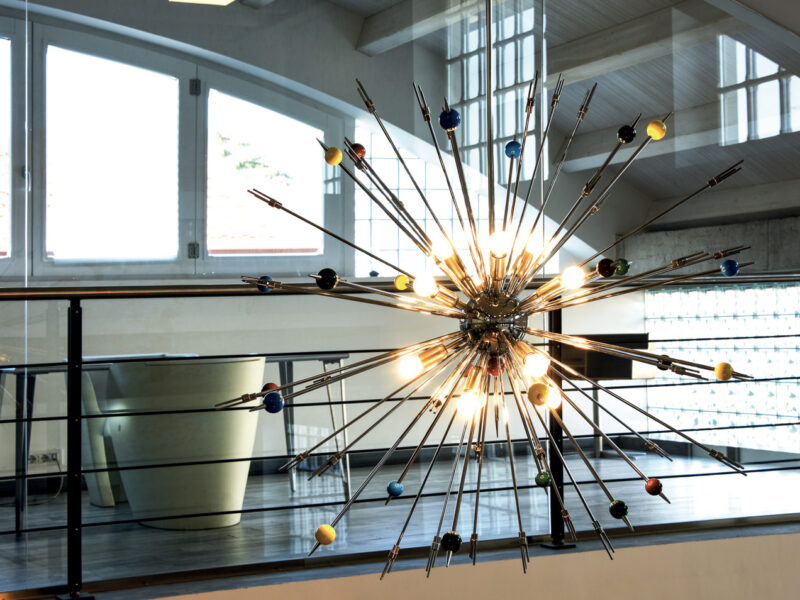
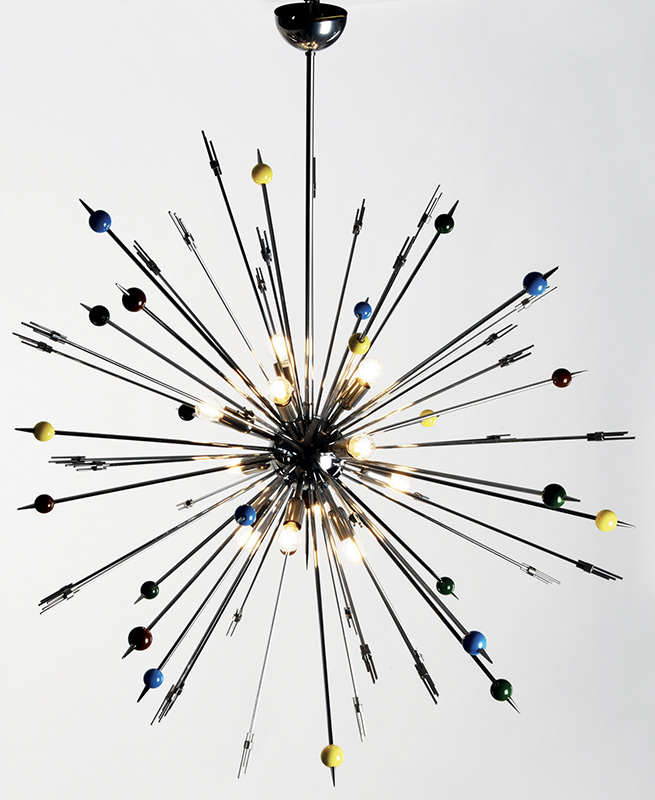
Mir chandelier
Roberto Fiorato with the Mir chandelier pays homage to the configuration of the Russian Space Station in 1986. It has no defined shape, it changes based on the contributions that determine its appearance. The fulcrum of a representative exploded view first declares its raison d’être as a light source.

CODICEICONA WAS BORN AS A BRAND THAT BEARS WITNESS TO THE EXCELLENCE OF ITALIAN DESIGN IN THE WORLD, PROMOTING FURNISHINGS, ACCESSORIES AND LIGHTING THAT REPRESENT ESSENTIAL TIMELESS CHOICES.

And it does so by giving some of the iconic pieces of Italian design a contemporary shape: the pieces are re-edited according to new engineering parameters and made more functional to meet today’s needs. Moreover, each piece is refreshed in colour and made of the most advanced materials. Their soul, however, does not change. It is still the same as the original sketch, conceived and designed by eminent people like Luciano Baldessari, Shigeaki Asahara, Alessandro Mendini, De Pas, D’Urbino, and Lomazzi, just to mention a few. Since Codiceicona was established in 2018, nineteen interior design pieces have been selected by a scientific committee constituted by president Decio G.R. Carugati, vice-president Michela Bondardo, Roberto Fiorato, Massimo Anselmi, Walter Maria De Silva, Marco Maiocchi, Michela Baldessari and Giulia Pordd. The committee was assigned the task of doing research, carefully examining the catalogues, memories, and stories of the items that made the fortune of Made in Italy design to then give the pieces they found a new use by placing them in the hands of expert craftsmen.


CodiceIcona

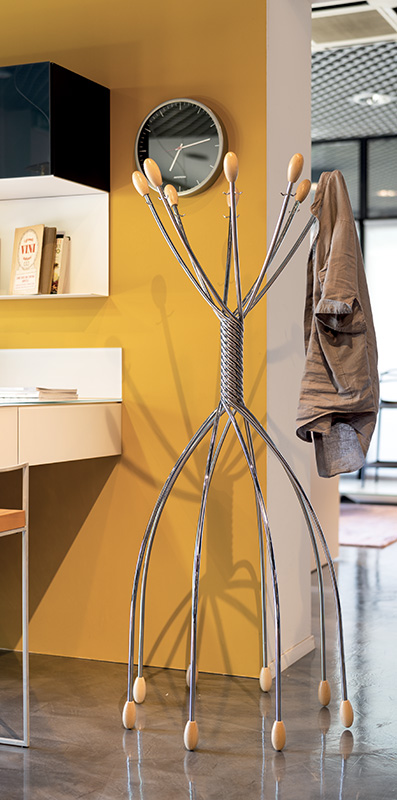
Octopus coat hanger
Octopus represents the intrinsic dynamic potential of a coat hanger, designed in 1990 by Jonathan De Pas, Donato D’Urbino and Paolo Lomazzi, where eight arms stretch upwards ready to welcome jackets, coats and hats, constituting, in the opposite and well-arranged direction to support the load, the basic structure.

A Zeitgeist capable of bringing unforgettable pieces by the great 20th-century masters back to life. This is why Nicola Fiorato, Chief Executive Officer of the Verona-based Benefit Corporation, does not speak of imitation but of emulation and a tribute to those who contributed to making Italy’s name great in design. As Fiorato explains: «These are not randomly selected objects, because each of these pieces conveys a story and a bond with the historical context in which it was designed. These are open pages of a historical period ranging from the 1930s to the 1980s, but the novelty – and I would even say the beauty of this operation – is to bring back that context and make it usable today. These items already have the concept of ‘timelessness’ in them, because their uniqueness lies in the fact that they are always contemporary. As Codiceicona, we simply limited ourselves to bringing them back to light, giving them new life by adapting them to the contemporary taste and needs, for instance by complying with safety standards that did not exist in the ’60s or ’70s ».

CodiceIcona

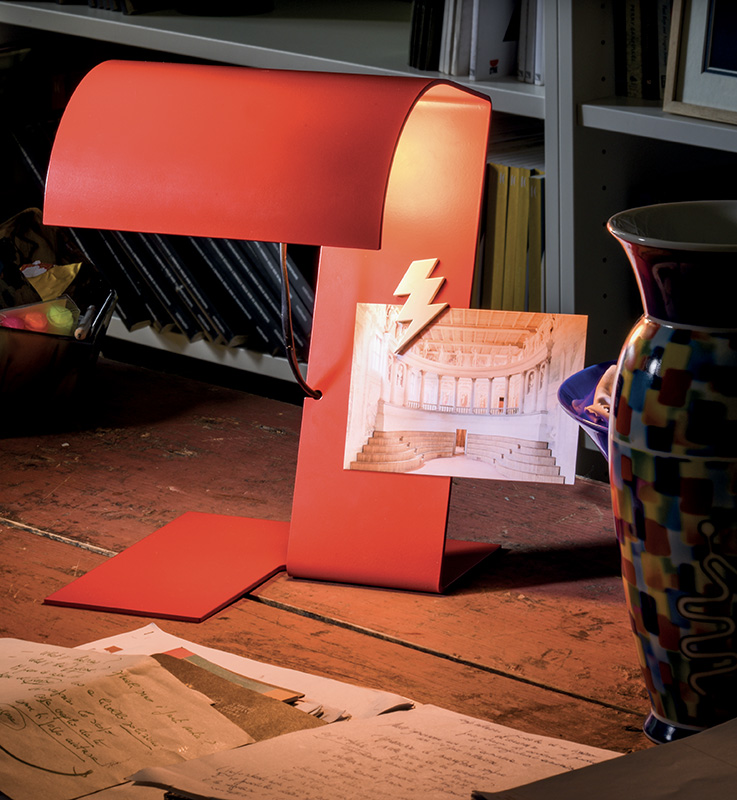
Blitz lamp
Francesco Trabucco with the Blitz lamp, designed in 1969, is the advocate of a poetics of ways aimed at research, at the study of the possible, the opportune, and the feasible in every area of his creative interest.

The members of the scientific board made a truly painstaking effort to search for items that had often been out of production for years or had only been made as prototypes, furniture and design items that had disappeared from the vintage market and that only existed – as sketches – in the archives of various foundations.

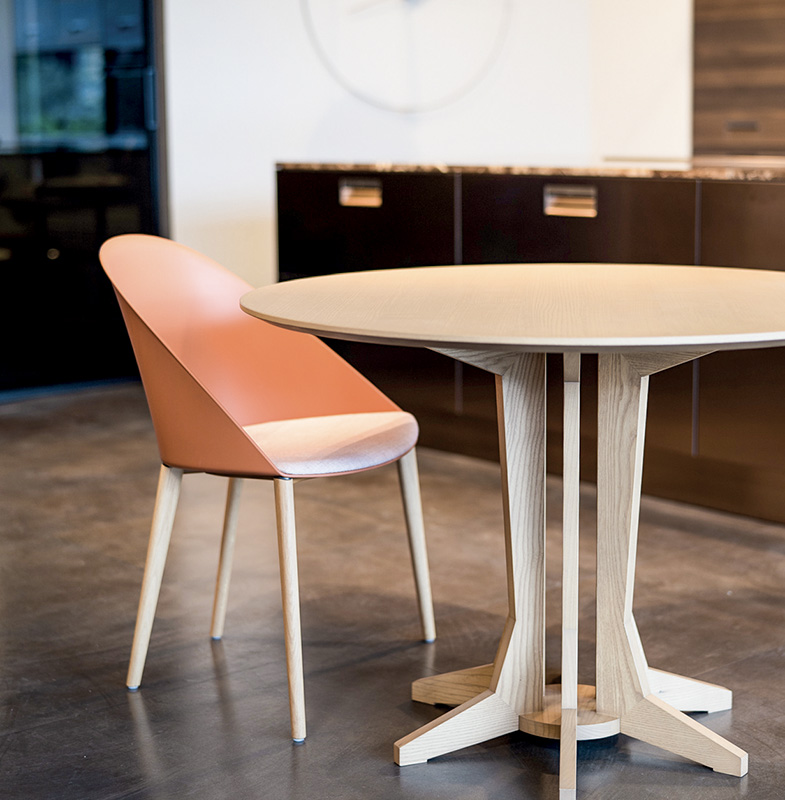
Badano table
In 1954, Franco Albini signed the Badano project, a table, better than a system, which bears the name of the client, which includes the development of different configurations, thanks to the composition of the basic elements.

From this perspective, Codiceicona is the continuation of a process that seemed to have been left incomplete: «One of the most interesting things about this entrepreneurial idea was the involvement of designers who are still active today, the fathers of these objects, who once again get to put their hands on their creations to generate something truly exclusive for us. This is what happened with Walter De Silva’s Con-Tatto table», as Roberto Fiorato pointed out.

CodiceIcona

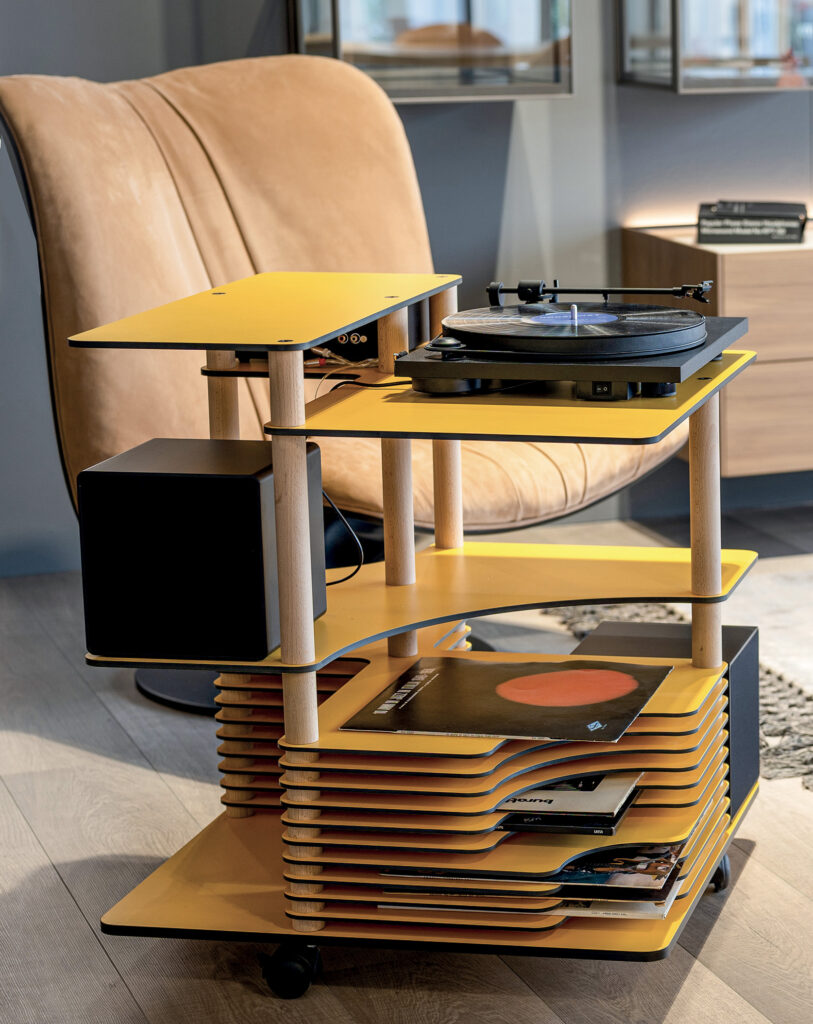
The Music Trolley
The Music Trolley, designed by Joe Colombo, expresses the spirit of the new era that animated young designers in the Sixties. Joy of life, cheerfulness, rhythm, colour. All elements able to characterise both jazz and the work of Joe Colombo. According to Gillo Dorfles, his works are always extremely vital, extremely free, despite being perfectly successful from a design point of view.

Once the ‘icons’ have been identified according to ‘codes’ of sensitivity and shared values, the production process goes through the hands of talented artisans who are in perfect sync with the team. This is where valuable workers come into play: Milan, Brescia, Verona, and Venice. A job that can take up to two years from selection to production: «The artisanal component was also what made Italian design great in those years, with foremen who, when faced with the crazy ideas of certain designers, did not say it couldn’t be done, but simply answered: ‘Let’s find the solution’. They bravely jumped into such challenges. Maybe today there are fewer such craftsmen, but they still exist and they are the ones we have selected», Fiorato continued.

CodiceIcona

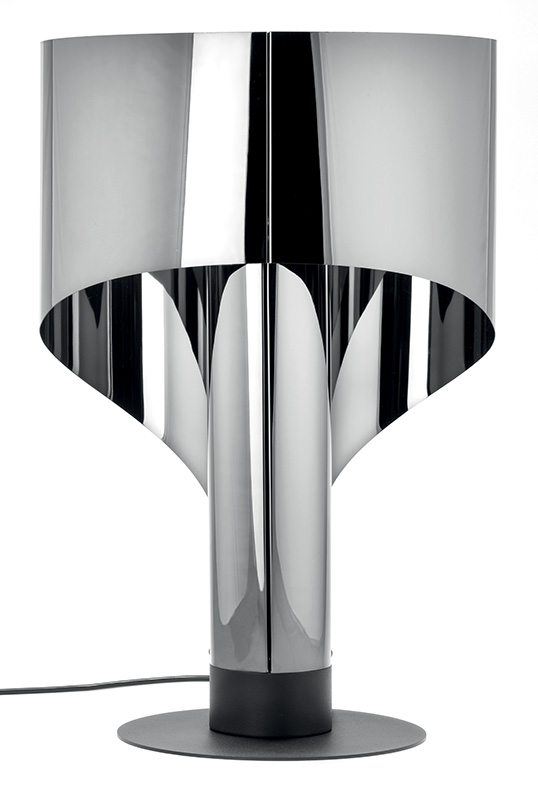
Spinnaker lamp
The Spinnaker Lamp, designed in 1969 by Costantino Corsini and Giorgio Wiskemann, is characterised by the fold of the sheet, soft and swollen, which evokes that of the bow sail with a large curvilinear surface.

CodiceIcona

The Codiceicona collection strongly appeals to design lovers, architects and – who knows – it might even be chosen by certain shipowners: «We are currently working on a wooden folding chair from the ’50s designed by Gustavo Pulitzer, an architect from Trieste who is unfairly not very well-known in Italy, but who was highly appreciated overseas, so much so that he became the most important designer of ocean liners for the Italy-America route. I think this particular object would be perfect in the maritime field. It is essential to us that these pieces also become an incentive to rediscover personalities that have been too quickly forgotten», Fiorato concluded.

CodiceIcona

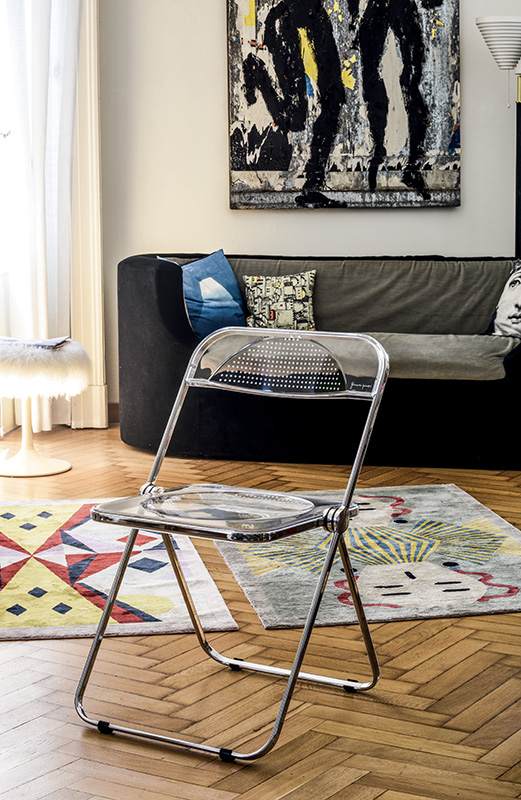
Plia chair 1969
The Plia folding chair, designed by Giancarlo Piretti in 1969, is characterised by a dynamic of opening and closing of the rotating parts resolved in a single joint. The seat and back are moulded from a clear plastic sheet. The structure is made of very thin steel tubes.

CODICEICONA SELECTS THE WORKS THAT HAVE MADE
THE HISTORY OF DESIGN, ACQUIRES THE RIGHTS AND, WHERE POSSIBLE, ASSISTED BY THE COLLABORATION OF THE DESIGNERS WHO CREATED THE OBJECT, PROCEEDS TO REVISIT THE WORKS
IN A MODERN KEY.

(Design – Codice Icona – Barchemagazine.com – June 2023)