Il Decreto Sblocca Italia riconosce la natura di struttura ricettiva ai “Marina Resort” e riconosce l’applicazione dell’aliquota ridotta al 10%, per i servizi resi ai clienti alloggiati a bordo delle proprie imbarcazioni, in relazione all’affitto giornaliero e stagionale
by Martino Vincenti (*) and Camilla Toia (*)
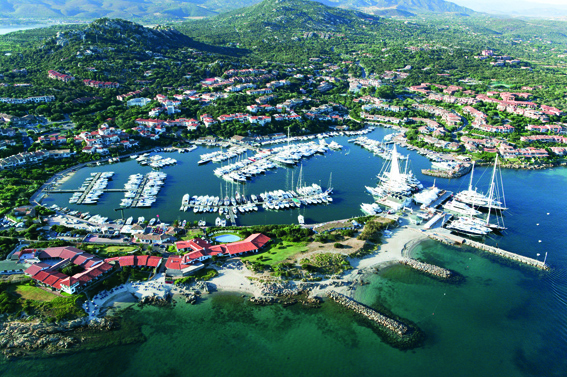
IL PRECEDENTE ARTICOLO, PUBBLICATO SULLA RIVISTA DI SETTEMBRE 2014, ci aveva lasciato uno spiraglio di luce in merito alla possibilità di beneficiare dell’IVA agevolata al 10% per i c.d. “Marina Resort”, ovvero a quelle porzioni dei porti destinate al pernottamento dei diportisti all’interno delle proprie imbarcazioni, dotate di spazi attrezzati con docce, sale comuni, bar, ristoranti e anche impianti sportivi.
La risposta, affermativa, è finalmente arrivata anche a livello nazionale: l’ultima versione dell’articolo 32 del Decreto Sblocca Italia2 prevede infatti che, al fine di rilanciare le imprese della filiera nautica, fino al 31 dicembre 2015, “le strutture organizzate per la sosta e il pernottamento di turisti all’interno delle proprie unità da diporto ormeggiate nello specchio acqueo appositamente attrezzato, secondo i requisiti stabiliti dal Ministero delle Infrastrutture e dei Trasporti, sentito il Ministero dei beni e delle attività culturali e del turismo, rientrano nelle strutture ricettive all’aria aperta”.
Al riconoscimento della natura di struttura turistico – ricettiva ai c.d. “Marina Resort” consegue che tali strutture beneficino dell’aliquota ridotta al 10%3, per i servizi di accoglienza e messa a disposizione dello specchio acqueo per sosta e pernottamento di turisti all’interno delle proprie unità da diporto, in relazione all’affitto giornaliero e stagionale.
In precedenza, ai servizi resi ai clienti alloggiati a bordo delle proprie imbarcazioni, si applicava l’IVA con aliquota ordinaria pari al 22%, e questo procreava un divario competitivo sfavorevole con i Paesi concorrenti nel Mediterraneo, che applicano un’imposizione inferiore a quella italiana.
A tali conclusione è giunta l’Agenzia delle Entrate che, con la circolare n. 6/E del 19 febbraio 2015, ha chiarito i quesiti posti in occasione degli eventi Video forum Italia Oggi, Telefisco Sole 24Ore e Forum lavoro. Con la risposta a Telefisco, tenuto conto della relazione illustrativa alla norma nazionale4, l’Agenzia delle Entrate ha confermato che i porti turistici rientrano tra le strutture ricettive all’aria aperta con spazi destinati all’ormeggio in transito (cioè per l’affitto giornaliero e stagionale) con applicazione dell’aliquota IVA ridotta al 10% ai sensi del n. 120 della tabella A, parte III del D.p.R. n. 633/1972, riferita alle “prestazioni rese a clienti alloggiati nelle strutture ricettive”.
Per quanto riguarda la durata del servizio, l’Agenzia delle Entrate dispone che l’aliquota ridotta non si applichi ai servizi “resi nell’ambito di contratti annuali per lo stazionamento dell’imbarcazione”5, consentendone quindi l’applicazione ai soli contratti di durata inferiore.
Infine, per quantificare l’impatto della proposta normativa, è necessario partire dal dato degli ormeggi in Italia: il dato ufficiale del CNIT6 2011 è di 150.000 di cui 130.00 posti barca (i restati sono boe e ormeggi provvisori). Secondo la circolare del Ministro dei Trasporti del 5 agosto 1996, n. 47, il 10% dei posti è destinato all’affitto giornaliero e stagionale. Nel 2011 risultava inoccupato il 15% del totale degli ormeggi7 e nel 2012, il tasso di abbandono è stato del 26%8.
Considerando il costo medio annuo di ormeggio stimato dall’ultimo Rapporto sul turismo nautico9 pari a circa 6.000 euro, è possibile calcolare un gettito IVA dei posti occupati, con aliquota ordinaria pari al 22%, non superiore a 15 milioni di euro annui e, con aliquota ridotta al 10%, un mancato gettito pari a circa 8 milioni di euro.
Se la misura di sviluppo riportasse in esercizio soltanto la metà dei posti barca attualmente inoccupati, sarebbe potenzialmente in grado di generare un fatturato di 15 milioni di euro. Vanno inoltre considerati i benefici per l’erario derivanti dalla rimessa sul mercato dei suddetti posti barca connessi a tutti i lavori di manutenzione delle unità, le accise l’IVA sui carburanti, ecc.
Confirmed rate
The “Unblock Italy” decree recognizes the guest accommodation to the so-called “Marina Resorts” and, consequently, confers the application of a reduced rate of 10% VAT to those services granted to clients who lodge on their boats, based on daily and seasonal rent
THE PAST ARTICLE, PUBLISHED IN THE MAGAZINE’S NUMBER RELEASED IN SEPTEMBER 2014, had left us hoping that there would be the possibility to benefit from a reduced rate of 10% VAT for the so-called “Marina Resorts”, i.e. specific portions of ports, often complete with showers, common rooms, bars, restaurants and sports equipment designed to give overnight tourists the opportunity of sleeping on their boats.
The positive response finally came also at national level1: the last version of article 32 of the Unblock Italy decree states that, in order to boost pleasure yachting for the Italian economy, until December 31st 2015, “those facilities conceived for stop-overs and overnight stays for tourists inside their berthed boats, based on the criteria set by the Department for Transport and Infrastructure, advised by the Department for Goods and Cultural activities and Tourism, are classified as guest accommodation areas”.
The recognition of the tourist and guest accommodation to the so-called “Marina Resort” gives the latter the possibility of benefiting from the reduced rate of 10% VAT3, for the welcoming services and specific spaces within the portal area assigned to offer the possibility of overnight stay for tourists, based on daily and seasonal rent. Previously, to such services granted to tourists who lodged aboard their boats, the applied VAT rate was of 22%. This had decreased the competitiveness of such places if compared to those of other Mediterranean countries, where lower VAT rates are applied.
The revenue agency reached such a conclusion with the Circular Letter of the 19th February 2015, n. 6/E. The latter has clarified the doubts raised during the Video forum Italia Oggi event, Telefisco Sole 24Ore and Forum lavoro.
With the response given to Telefisco, considered the national law’s report4, the revenue agency confirmed the state of Marina Resorts to open air accommodation facilities with spaces equipped to host temporary mooring (i.e. daily and seasonal rent), thus rendering them eligible for a reduced VAT rate of 10%, based on n. 120 of table A, part III of the Presidential Decree n. 633/1972, which refers to “services reserved to clients lodged in accommodation facilities”.
However, the revenue agency specified that the reduced VAT rate does not apply to those services “reserved to annual boat mooring contracts”5, thus consenting its application only to those contracts with shorter duration.
Finally, to assess the provision’s true impact, it could be convenient to take a look at the mooring data in Italy: the official data of the CNIT6 2011 counts 150.000 of which 130.00 are berths (the rest are constituted by buoys and temporary moorings). Based on the circular letter from the Department for Transport of August 5th 1996, n. 47, 10% of such spaces are destined to daily and seasonal rent. In 2011, 15% of the overall moorings proved unoccupied and in 2012, the rate of berths abandoned was of 26%8. Considering the annual average cost for mooring, estimated at around
6000 euros by the last marine tourism report9, it is possible to rate the VAT income for the occupied spaces, with the tax rate being of 22%, not above 15 million euros a year and, with the reduced 10% tax rate applied, a failed VAT income of about 8 million euros. If the implementation of the new law managed to reactivate only half of the now vacant boat reserved spaces, it would potentially be able to guarantee an income of 15 million euros. Thus without considering the numerous benefits, the revenue would increase in relation to the maintenance services linked to those reactivated spaces, the excise, engine oil VAT rates, etc.
(Maggio 2015)